





ICE Benevolent Fund
The ICE Benevolent Fund has a range of services to support ICE members and their families with the pressures of everyday life. It also helps members reach their potential in their personal development.

Free
Book nowFree
Book nowCivil Engineers shape the world with their minds. But just like our bodies, our brains need care to stay in peak condition.
This session explores the vital connection between brain health and dementia. Whatever age you’re at, the choices you make today can shape your cognitive future.
During this webinar, we will explore:
For further information, please contact the ICE Benevolent Fund at [email protected] or call 01444 417 979.
More topics can be found here.
Visit the webinar archive at your leisure.
The ICE Benevolent Fund has a range of services to support ICE members and their families with the pressures of everyday life. It also helps members reach their potential in their personal development.
Introduction from Sarah Mason-Parker, marketing manager and caseworker, ICE Ben Fund
Presentation from Freya Barnett, admiral nurse, Dementia UK
Q&A, Freya Barnett, facilitated by Sarah Mason-Parker
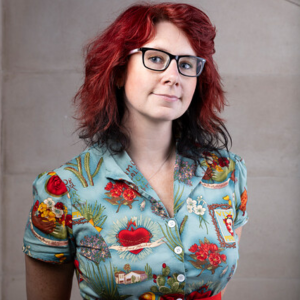
ICE Benevolent Fund
marketing manager and caseworker
Sarah has been working for the ICE Benevolent Fund since 2018. She is passionate about the Ben Fund’s mission to support ICE members and their families wherever they are in the world.
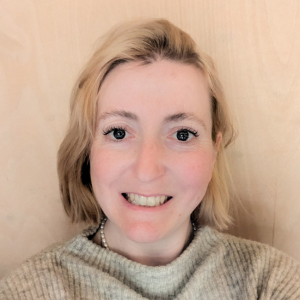
Dementia UK
Admiral Nurse
Freya Barnett is an Admiral Nurse from Dementia UK, she has worked in the field of Dementia Care for over 20 years. This includes many different sectors from private healthcare, NHS to charitable sector.
She has worked supporting people in their own homes, in hospitals and care homes across the South West, she has also worked to support carers and employees through working in OH and HR.
Now working as an Admiral Nurse helping to raise awareness of dementia and the role of the charity in organisations across the UK.
ICE Benevolent Fund Team


