





What better way is there to cement your legacy than to earn an affectionate moniker from the industry and beyond?
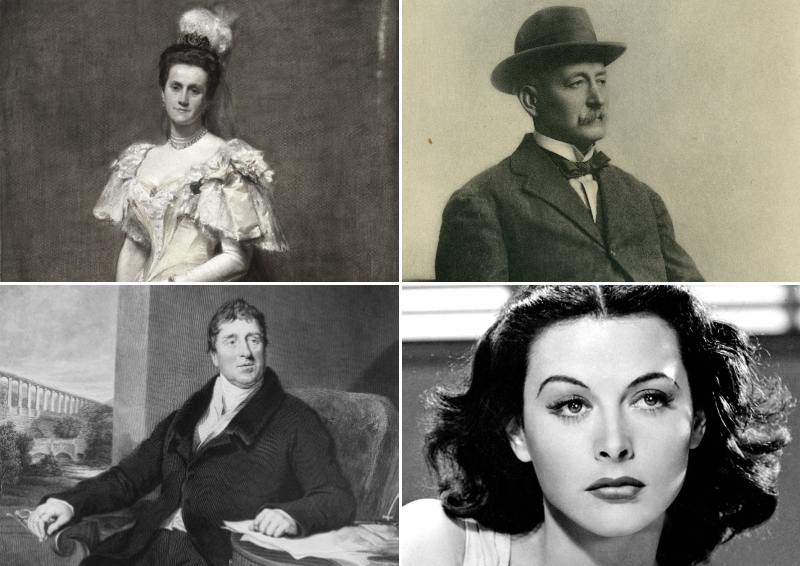
Scoring a good nickname with your friends and family is already something to be proud of – but what about one from the whole industry?
In another example of their creativity, the engineering and infrastructure industries have come up with some great ones in their time.
Some are honorific in nature – like the father of something, be it civil engineering (John Smeaton), the railways (George Stephenson) or of Indian engineering (Sir MV).
Others are more about the specifics of what that engineer achieved during their career.
We’ve listed some of our favourites – see if you can guess who we’re referring to before we reveal the answer!
1. The Colossus of Roads
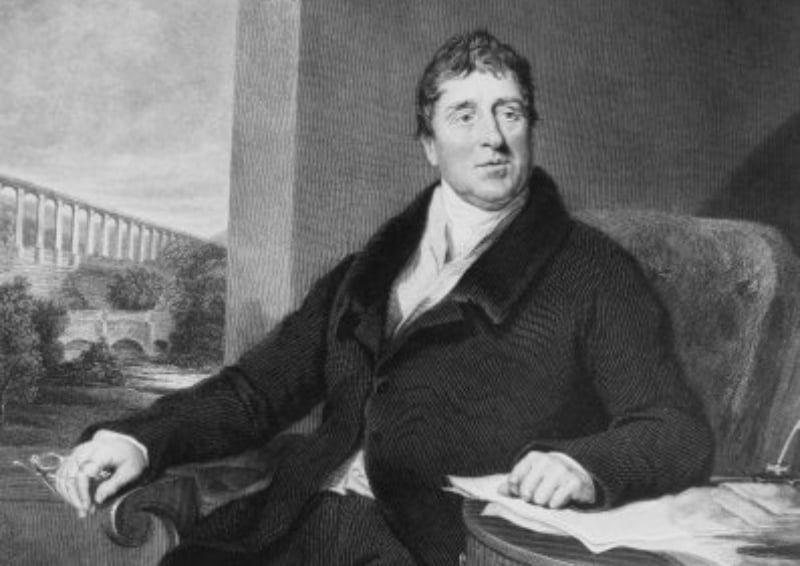
Also known as Pontifex Maximus, this engineer worked or advised on hundreds of civil engineering projects in his lifetime – from canals to bridges and roads to harbours.
Some of his most notable projects include:
- The London to Holyhead road
- The Bangor to Chester road
- The Caledonian Canal
- The Menai Suspension Bridge
His industry influence was so great, he was invited to be the ICE’s first president and was instrumental in getting the institution its Royal Charter.
It’s none other than Thomas Telford.
2. Concrete Bob
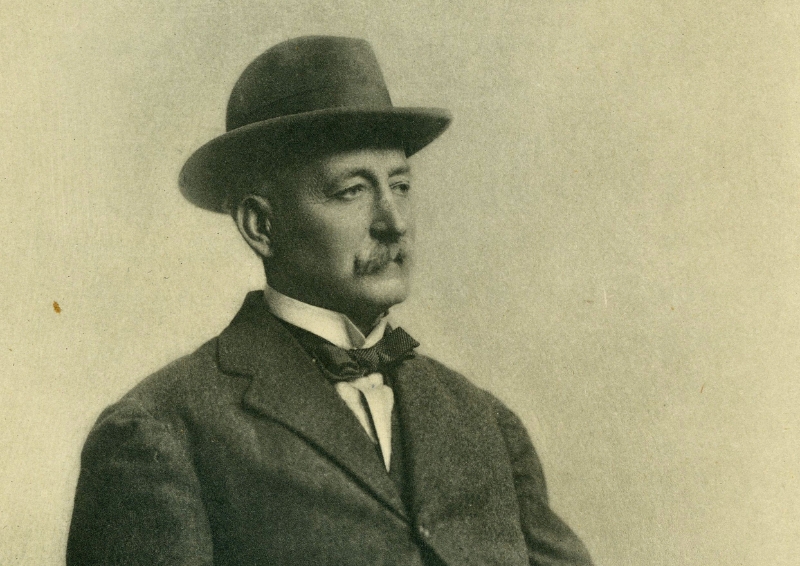
Concrete Bob gained his nickname from his pioneering use of the material across the bridges and viaducts that form part of the West Highland Railway in Scotland.
Standout among them is the 21-arch Glenfinnan Viaduct, which was later immortalised as part of the route of the Hogwarts Express in the Harry Potter films.
Concrete Bob was also involved in the Lanarkshire and Ayrshire Railway and the Glasgow District Subway.
He worked on a lot of these projects through his own company, which he set up in 1869 at the age of 22, and which still exists today.
We are of course referring to Sir Robert McAlpine.
3. The woman who built the Brooklyn Bridge
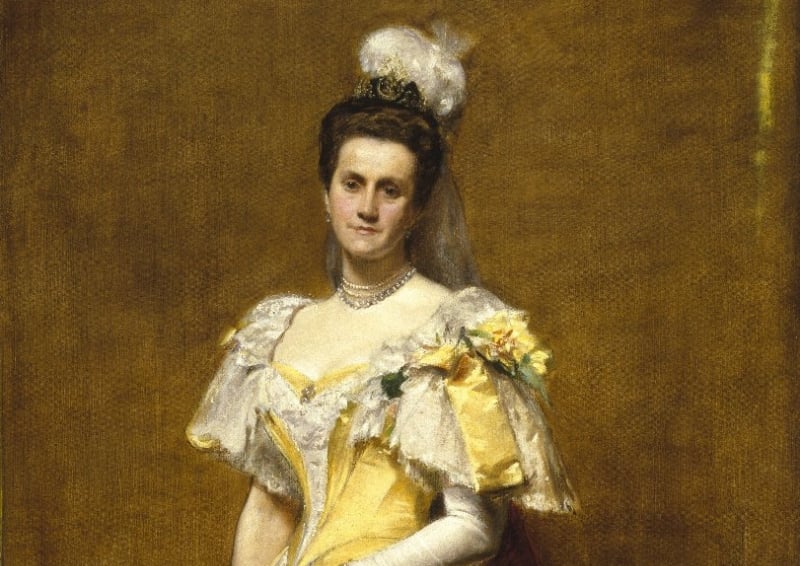
Building the Brooklyn Bridge in New York City (1869-1883) is already noteworthy, but the fact that this person had to step up to cover for the chief engineer makes it all the more impressive.
After Washington Augustus Roebling, her husband, fell ill with decompression sickness, this individual served as his liaison with the engineering team.
She learned as much as she could about the project from her husband and demonstrated such skill and understanding that many observed she’d taken over as chief engineer.
It’s Emily Warren Roebling – who was also the first to cross the bridge!
4. Second greatest Briton of all time
One of the most celebrated engineers of all time, in 2002 he gained the title of second greatest Briton of all time in a poll conducted by the BBC (only behind Winston Churchill!).
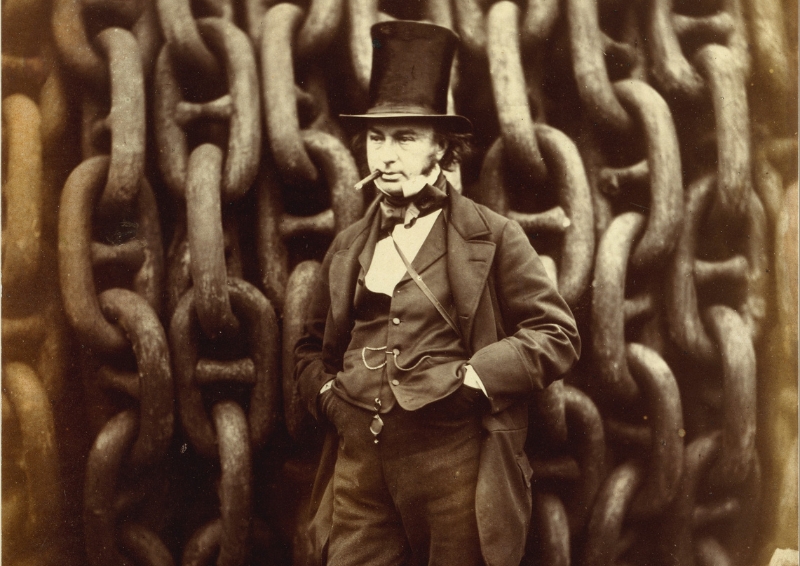
He’s best known for designing the Clifton Suspension Bridge in Bristol, though he didn’t live long enough to see it built.
He was the chief engineer for the Great Western Railway (GWR), and the construction of all the tunnels, bridges and viaducts that it entailed. He also designed Paddington Station, where the first GWR train departed in 1854.
Recognisable for his habit of wearing a very tall top hat, it’s Isambard Kingdom Brunel.
5 and 6. The men who saved London
England’s capital has a very long history, so it figures that it’s needed saving more than once.
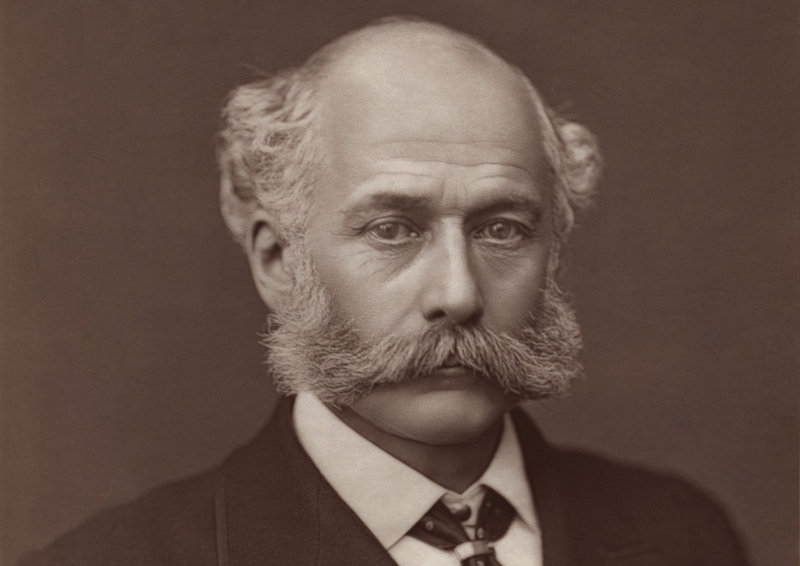
The first engineer we have in mind was the 24th president of the ICE and is widely celebrated for his role ridding London of a deadly cholera epidemic.
The sewage system he developed, which included designing the Albert, Victoria and Chelsea embankments, was instrumental in clearing the River Thames of stinking waste.
It’s Sir Joseph Bazalgette.
But Bazalgette isn’t the only past president who can claim to have saved the city.
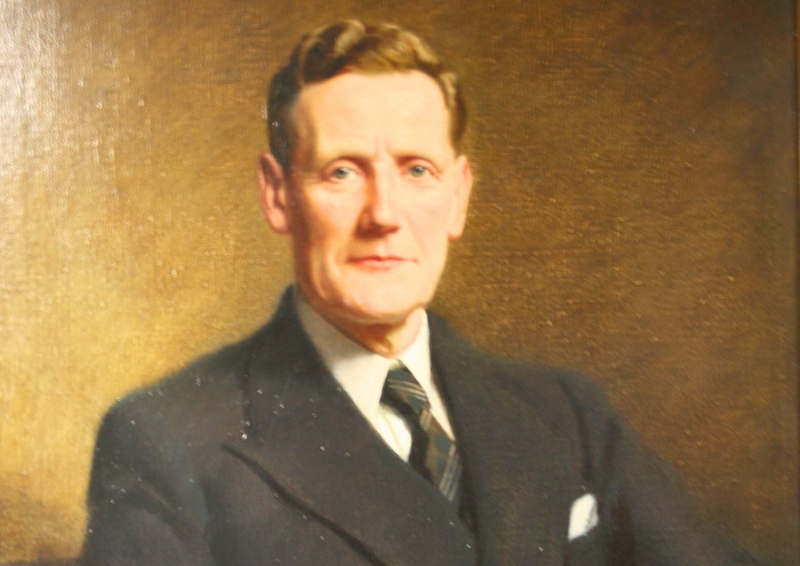
This next one is credited for protecting the city from flooding during World War II.
When bombing raids breached the walls of the River Thames, this engineer organised rapid response teams to repair them.
His efforts were commemorated by Royal Mail in 2025 as part of a stamp collection marking 80 years since the end of the war.
It’s Sir Thomas Peirson Frank.
7. Mother of Wi-Fi
Civil engineers are behind a lot of the infrastructure that enables us to access Wi-Fi as and when we need it.
But without this next individual, there wouldn’t be Wi-Fi to connect to.
Aptly nicknamed the Mother of Wi-Fi, GPS and Bluetooth, this inventor was also a famous actress.
Her invention, devised in collaboration with composer and inventor George Antheil, consisted of the use of frequency hopping between radio waves.
Developed in the hopes of supporting the war effort for WWII, the idea behind it was to prevent the enemy from intercepting any torpedo coordinates.
They received a patent for the technology in 1942, and the Mother of Wi-Fi was posthumously inducted into the US National Inventors Hall of Fame in 2014.
It’s none other than Hedy Lamarr.

8. The Magician of Iron
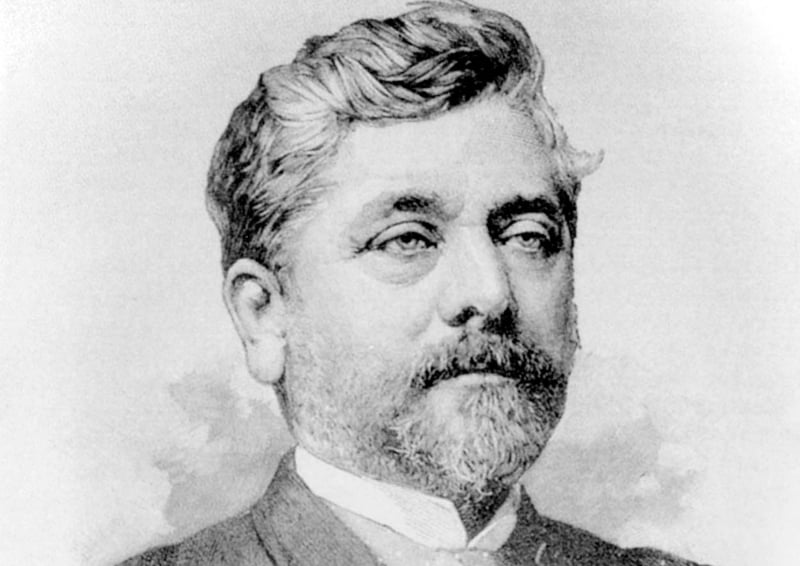
This French engineer is responsible for some of the most iconic metallic structures in the world.
From twin viaducts in Portugal and France, to the Iron Palace of Orizaba in Mexico, he brought his expertise to every corner of the world.
He designed the Statue of Liberty which was prefabricated in France and then shipped and built in New York City, USA.
But by far his most famous design bears his own name and stands proudly in the heart of Paris.
Who else could it be, but Gustave Eiffel?
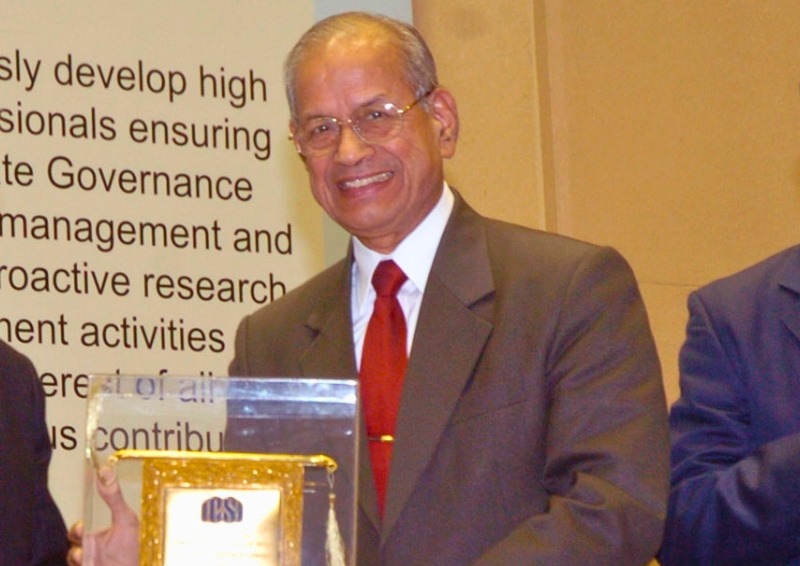
9. Metro Man
Not to be confused with the character from the animated film, Megamind, the Metro Man of India is known for his role in building the Delhi Metro Rail and the Konkan Railway.
Achieved within budget and on time, the Delhi metro transformed travel in the city.
It carries an average of 4.6 million people around the city every day and has cut road and traffic pollution by an estimated 630,000 tonnes a year. It’s the 16th longest metro system in the world.
The engineer behind it: Elattuvalapilan Sreedharan.

You may also be interested in

- Type
- News
RAEng names 4 leading ICE members as Fellows
The Royal Academy of Engineering (RAEng) has announced 75 individuals who are making outstanding contributions to the profession.

- Type
- Awards and competitions
Accessibility-first railway revamp wins at the ICE London Awards 2026
Held on 30 September 2026 at the ICE headquarters, One Great George Street, the awards recognised impactful infrastructure projects across the city.

- Type
- ICE Community blog
When every consultancy looks the same, where does innovation go?
There’s no shame in making a name for yourself in a consolidated industry, writes Steven Yule, ICE country representative for the UAE.