





Conservation engineer Stephen Beggs reflects on why protecting heritage structures is ultimately about preserving people’s stories.
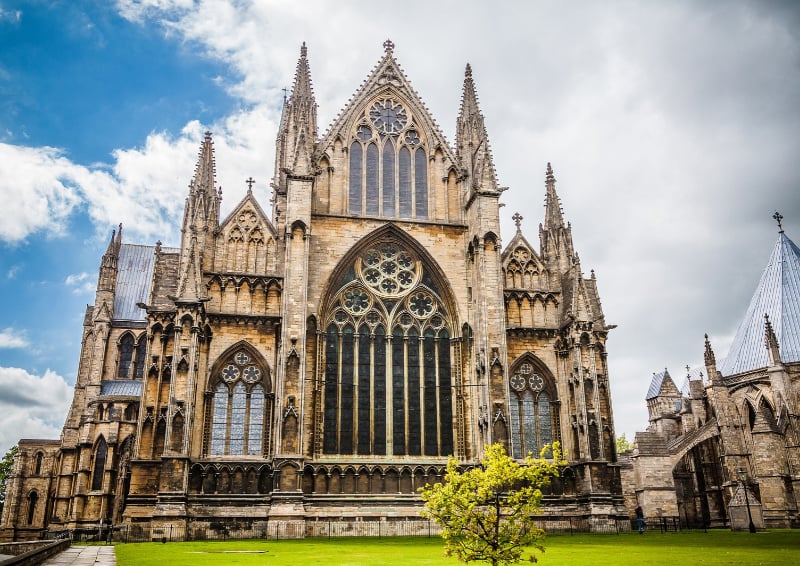
I recently spent a weekend in Lincoln. Having visited once a long time ago, all I could remember was that the cathedral towered over the city.
Seeing it again was every bit as impressive: immense, breathtaking and more than 900 years old.
A guided tour brought the cathedral’s history to life. I heard about its beautiful stained glass, magnificent vaulting, misaligned arches, town riots about proposed alterations, and the constant challenge of funding the upkeep.
I learned that for 200 years, this was the tallest building in the world until its spire collapsed in a storm.
As an engineer, I found it all fascinating. But what struck me most of all wasn’t the engineering.
More than a structure
In the Air Force chapel, as the guide spoke about the 26,000 airmen who didn't return from their WWI missions, a visitor was moved to tears.
A wedding party was gathering in the cathedral ahead of the ceremony, a young bridesmaid played hide-and-seek around the columns with her grandad.
Some people were busy taking photos, other just sat and took in the space and music.
Everyone would leave with a different memory of their day in the cathedral.
Then I realised that while I was admiring the stonework and craftsmanship, others were connecting with something more personal.
For them, the cathedral was about family, connection, remembrance, pride and a connection to the generations before.
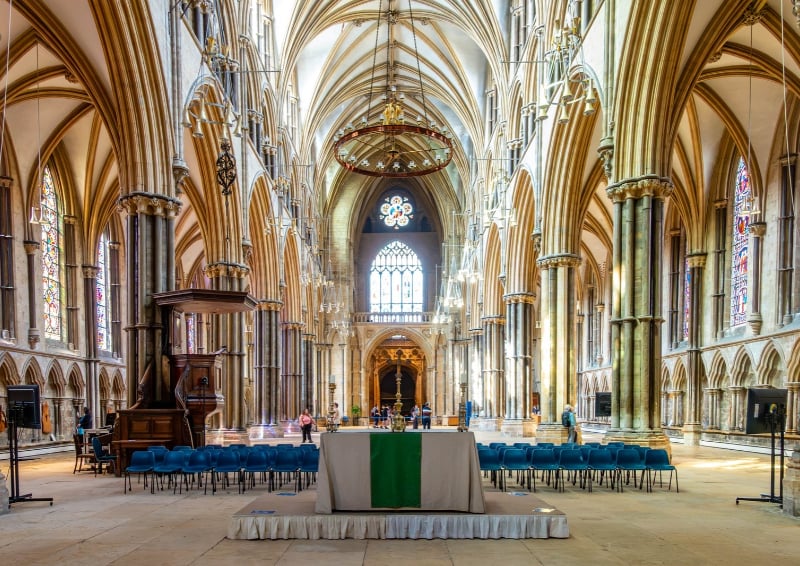
Our historic buildings contain our stories
The cathedral carries all of this through its presence and permanence.
Our historic buildings and structures contain our stories. They embody what is important to us and tie us to our heritage.
As an engineer, this is why I care about conservation. My role is to understand them and monitor their condition, changing as little as possible while striving to do what is best to ensure their survival.
Every historic structure has its unique connection to people’s stories, and every intervention should understand this.
The Conservation Accreditation Register for Engineers (CARE)
Earlier this year, I joined the Conservation Accreditation Register for Engineers (CARE). It’s a register published by the ICE and the Institution of Structural Engineers (IStructE), recognising civil and structural engineers with specialist skills in the conservation of historic structures and sites.
The accreditation is underpinned by extensive knowledge and experience in conservation philosophy and best practice methods for heritage projects.
The engineers on the register know that conservation isn’t about freezing historic structures in time. It’s about helping them remain useful, relevant and valued by future generations.
I don't have a cathedral to look after. My projects include a war memorial, Georgian vaults, a transporter bridge and a seaside pier.
The pier is adorned with almost 15,000 brass plaques commemorating birthdays, engagements, anniversaries and loved ones. I’ve watched people searching the promenade deck for a particular plaque, eager to find that connection to their own story.
Conservation is about people
Conservation is ultimately about people. By caring for historic structures, we help preserve memories, meanings and identities attached to them.
Even some of the buildings we design today, if we do our jobs well enough, will become tomorrow’s heritage.
We need engineers to be part of this journey, caring for and valuing our old buildings, structures and monuments.
After all, conservation is not just about history, it’s about connecting people with their past and providing continuity into the future.

Sustainable Development Goals:
You may also be interested in

- Type
- Policy
Is the UK economy undervaluing climate and nature risk? A roundtable summary
ICE President Julie Wood chaired a private roundtable with members of the Environmental Audit Committee (EAC) to inform its inquiry into HM Treasury's role in shaping the UK's response to climate change.

- Type
- Civil Engineer blog
How the East Midlands is balancing national infrastructure delivery with local needs
ICE Fellow Adrian Coy, chair of the East Midlands Infrastructure Partnership, offers an overview of the region’s infrastructure challenges.

- Type
- Infrastructure blog
The UK has achieved a major energy transition before. Can it do it again?
The Warm Homes Plan aims to upgrade 5 million homes by 2030. ICE Policy Fellow Robert Blakebrough explores whether the detail matches the ambition.