





For hundreds of years, civil engineers have inspired those around them, including their loved ones. We explore some of the most notable families of engineers.
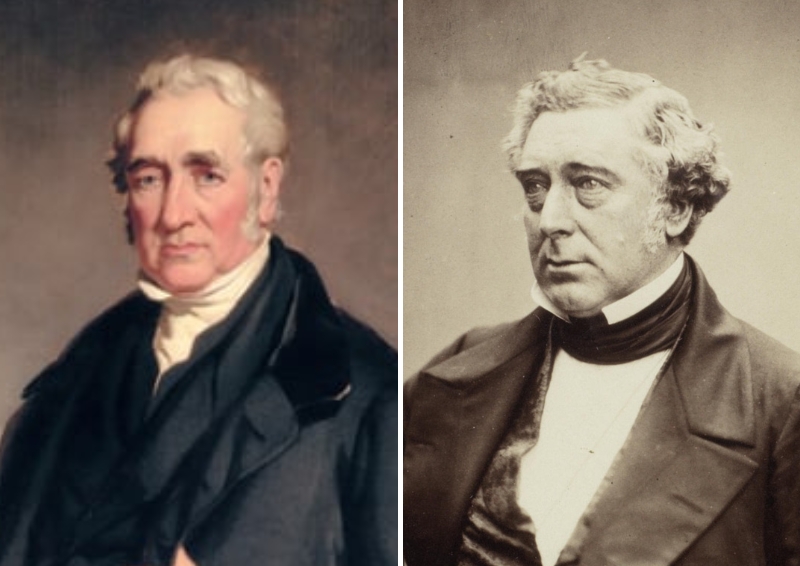
The passion that civil engineers have for their jobs is contagious.
After all, it’s a career where you can have a direct impact on the world and leave a legacy that’ll likely outlive you.
So it’s no wonder that civil engineering often runs in the family.
In fact, some of the most notable figures from the profession’s history have come from engineering families. Some have even gone on to reach the pinnacle of the institution.
Here are a few remarkable examples.
The Brunels
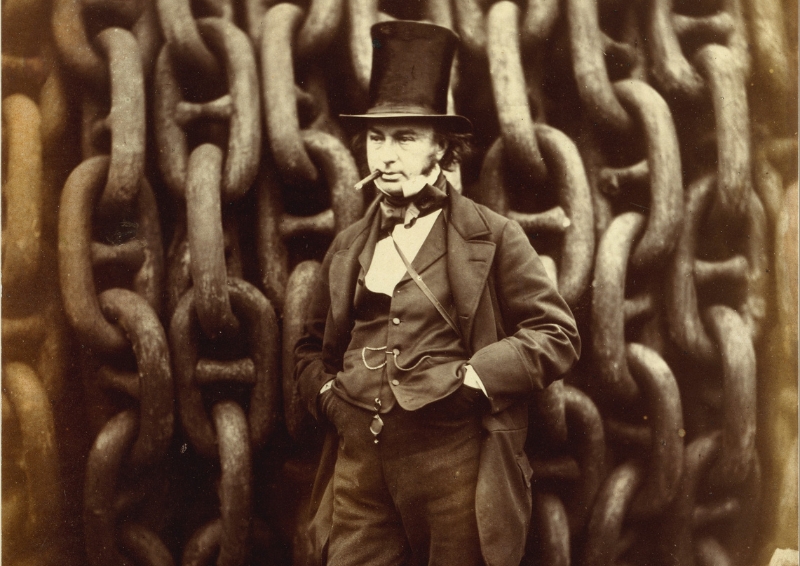
Isambard Kingdom Brunel is one of the most celebrated civil engineers of all time.
He’s the mastermind behind the Clifton Suspension Bridge in Bristol and the tracks, tunnels, bridges and viaducts that make up the Great Western Railway (GWR). He introduced the broad gauge for the latter, which enabled trains to travel faster.
He also played an important role in the construction of Paddington Station, where the first GWR train departed in 1854.

But Brunel might’ve not become one of the most famous Britons without the influence of his father, Sir Marc Isambard Brunel.
Sir Marc was the engineer behind the first tunnelling machine, which was used to construct the Thames Tunnel in 1843, the first to be built under a river.
Sir Marc encouraged a young Isambard to depict model drawings of buildings and study Euclidean geometry by the age of eight. They then worked together on the Thames Tunnel project.
Isambard died before he could become president of the ICE, but he held the post of vice president from 1850-1859.
The Stephensons
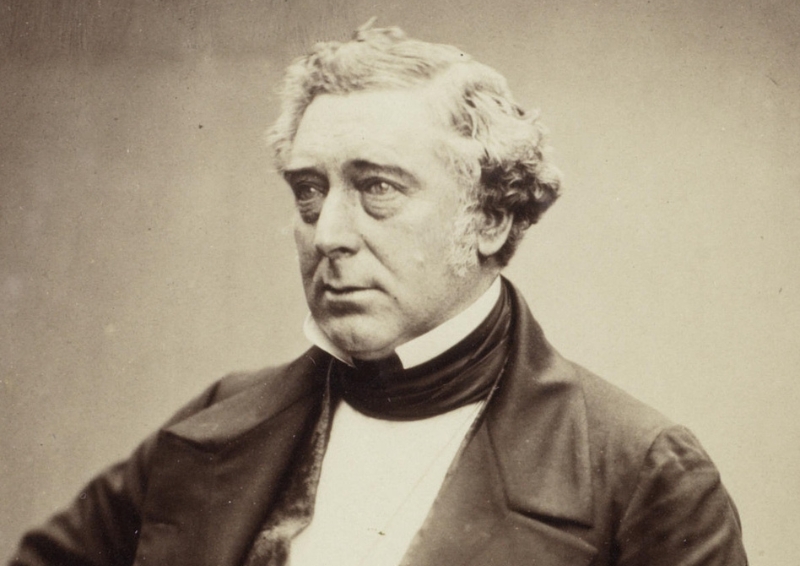
Competing for the title of greatest civil engineer of the 19th century is Robert Stephenson.
The ICE’s eighth president from 1855-1857, he invented the Stephenson’s Rocket, a pioneering steam locomotive that revolutionised rail travel.
Its use led to the rapid expansion of the railways, some of which Robert contributed to, such as Stockton and Darlington and Liverpool and Manchester.
He also constructed railway bridges such as the Britannia Bridge in Wales.
So perhaps it’s no surprise that his dad was also the ‘father of the railways’, George Stephenson.
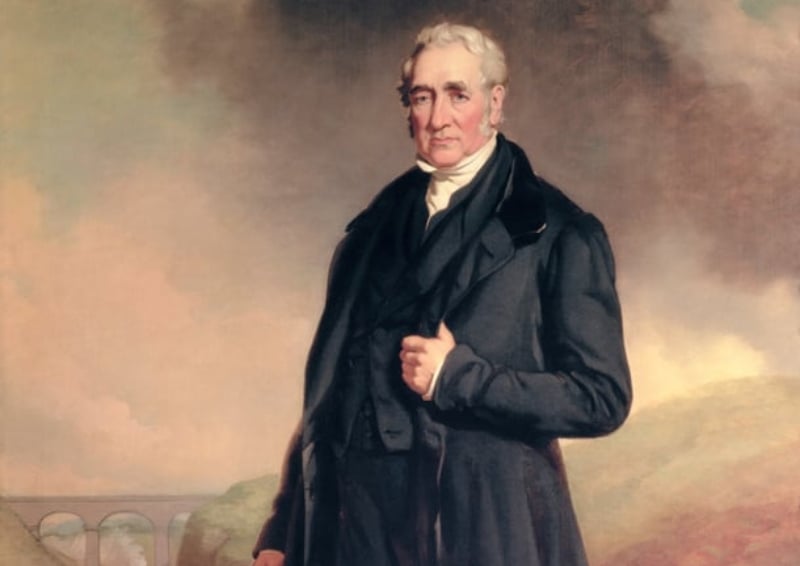
A self-taught engineer, George is best known for the Stephenson rail gauge, which went on to form the basis for the standard gauge of 4.8 ½ half inches, still used by most railways.
He also contributed to Stockton and Darlington, and he was the chief engineer on the Liverpool and Manchester line.
George founded and was the first president of the Institution of Mechanical Engineers.
The Rennies
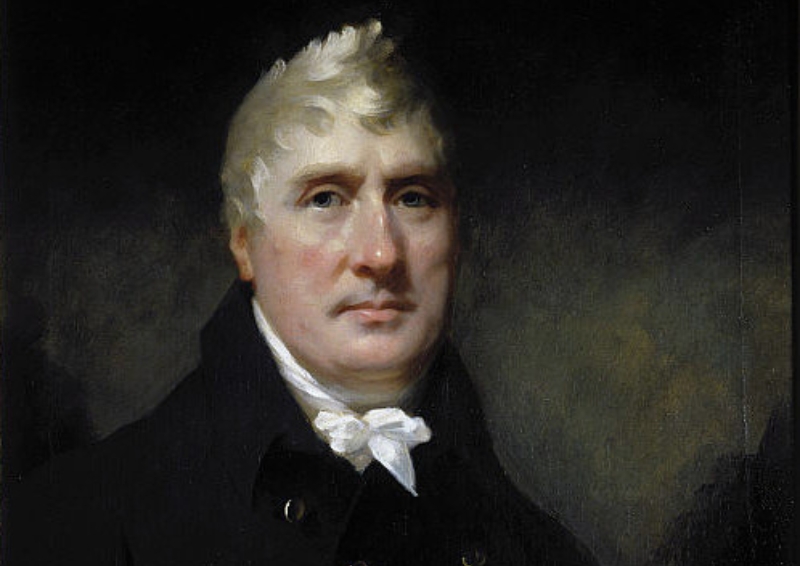
For Scottish civil engineer John Rennie, work was “not only a pleasure, it was almost a passion”.
He was the first professional engineer to have a degree – he studied at the University of Edinburgh.
He is best known for his work on bridges, counting among them Waterloo Bridge, Southwark Bridge and the new London Bridge (though it was replaced in 1967), using stone and cast iron to produce impressively wide arches.
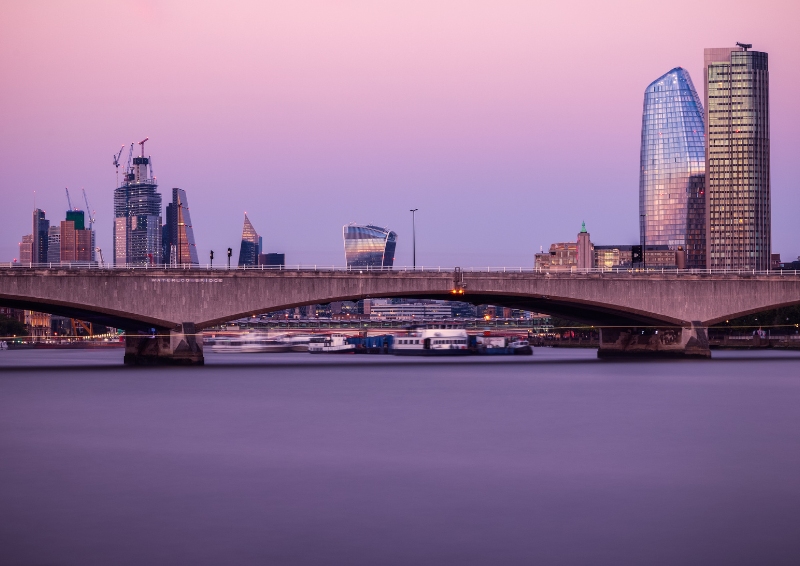
He surveyed and planned canals and made improvements to dockyards and harbours. He worked on the London docks, East India Docks and West India Docks on the Thames, and the massive rebuilding of the Sheerness Dockyard in Kent.
John Smeaton, the father of civil engineering, personally invited Rennie to join the Society of Engineers (later the Smeatonian Society), which was a forerunner to the ICE.
With such impressive projects in his books, it’s no surprise that two of his sons went on to become engineers.
George as a mechanical engineer and John a civil engineer, too. Both sons helped to complete their father’s projects after he died.
The Andersons
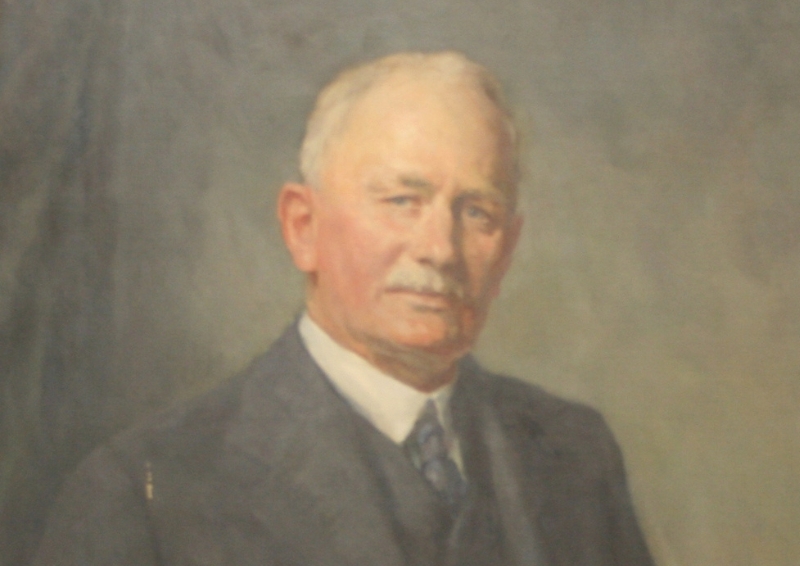
How about a family that’s produced engineers over five generations? And, might we add, four generations of ICE members!
Sir David Anderson was the 79th president of the ICE from 1943-1944 – during World War II.
He’s perhaps best known for his work on the Tyne Bridge in Newcastle. But he also worked on major projects like Queensway Road Tunnel in Liverpool and the Forth Road Bridge in Scotland with his firm, Mott, Hay & Anderson (today’s Mott MacDonald).
He was forward thinking in nature, and well aware that a lot of the Earth’s resources are finite.
In fact, he wondered whether humanity could better harness “such sources of power as the tides, the sun and the wind”.
One of his nephews and two of his great nephews – Stuart and Ian – went on to become engineers, too.
Then, Stuart’s eldest son also became a civil engineer – it must be in their DNA!

The Woods-Ballards

ICE Fellow Bridget Woods-Ballard never considered any other career but civil engineering. It felt like her destiny.
She grew up surrounded by stories and photos of projects realised in far-flung places, and she wanted to be part of it.
Her father, Tim Woods-Ballard, who’s also an ICE Fellow, has worked on projects all around the world.
From dams in Jordan to the Jubail Seawater Cooling Project in Saudi Arabia and the Kariba Hydroelectric scheme on the Zambezi River, he’s made his mark across the globe.
In turn, Tim was inspired by his grandfather, Hugh Molesworth, who was responsible for major irrigation works in Egypt.
Most likely, Hugh was influenced by his cousin, Sir Guilford Lindsay Molesworth, who was president of the ICE in 1904-1905.

Hugh’s father-in-law, Sir Robert Hanbury Brown, had also been a recognised civil engineer in Egypt.
He built barrages and irrigation systems and was awarded the ICE Telford Medal in 1904 for his paper on The Use of Cement Grout at the Delta Barrage in Egypt.
Talk about the domino effect!
Who are the greatest civil engineers of all time?

Sustainable Development Goals:
You may also be interested in

- Type
- News
RAEng names 4 leading ICE members as Fellows
The Royal Academy of Engineering (RAEng) has announced 75 individuals who are making outstanding contributions to the profession.

- Type
- Awards and competitions
Accessibility-first railway revamp wins at the ICE London Awards 2026
Held on 30 September 2026 at the ICE headquarters, One Great George Street, the awards recognised impactful infrastructure projects across the city.

- Type
- ICE Community blog
When every consultancy looks the same, where does innovation go?
There’s no shame in making a name for yourself in a consolidated industry, writes Steven Yule, ICE country representative for the UAE.