





Though Iceland’s ‘huldufólk’ and the ‘good people’ of the Republic of Ireland and Northern Ireland come from different mythologies, they teach a similar lesson: development and tradition can coexist.
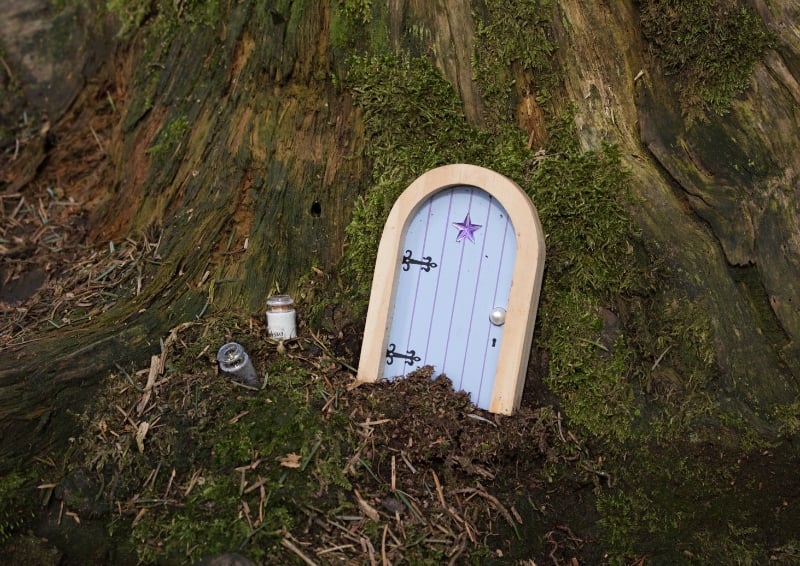
When most countries plan infrastructure projects, the process is dominated by engineers, economists, and politicians.
In some parts of the world, there’s another voice at the table: the ‘hidden people’.
Iceland: a land where the hidden people still have a voice
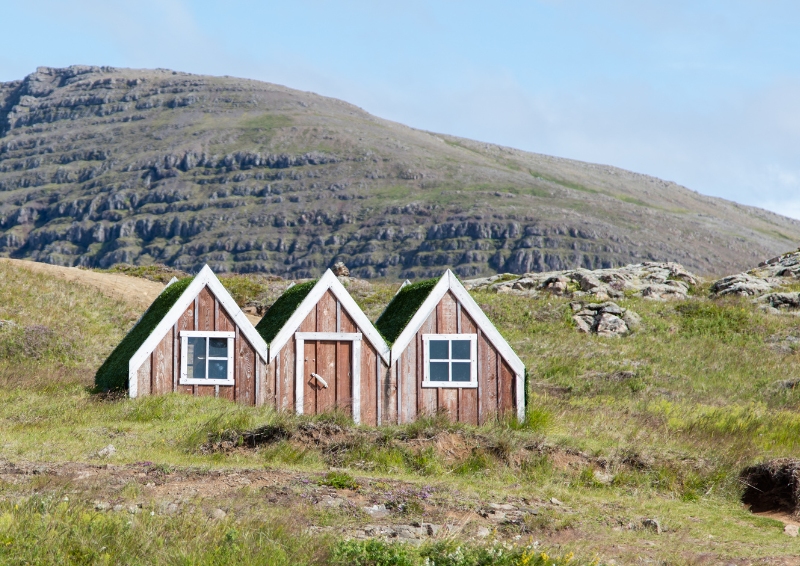
In Iceland, folklore is woven into the fabric of everyday life.
The enduring belief in elves, or huldufólk (‘hidden people’), reflects a profound connection between Icelanders and their dramatic natural landscape.
This cultural outlook is so strong that modern infrastructure projects like roads and bridges sometimes must bend to accommodate areas believed to be elf dwellings.
Disturbing the hidden people is considered bad luck, so locals treat their hidden homes in hills, rocks, and lava fields with respect.
Because of this, folklore becomes part of the planning process to ensure harmony between progress and the unseen guardians of the land.
When elves enter the planning room
In October 2025, a bridge project in South Iceland illustrated this unique dynamic.
Authorities received reports that the site may be haunted, prompting them to consult a specialist in huldufólk communication.
The consultation revealed that the location wasn’t home to ghosts but to elves, who, rather than opposing the development, expressed sympathy for its importance and agreed to temporarily relocate during construction.
This incident was widely discussed in Icelandic media, not because it was unusual, but because it reaffirmed how folklore continues to shape modern decision-making.
When folklore clashes with development
The bridge story contrasts with earlier conflicts, when folklore was invoked to protect fragile landscapes – and the elves weren’t as cooperative.
Environmental groups like Friends of Lava often urge developers to consider the hidden people before breaking ground.
Most famously, they fought to preserve the Gálgahraun lava field in the early 2010s.
Their campaign reached Iceland’s supreme court in 2013, and in 2015, a 70 tonne rock believed to be an ‘elf church’ was carefully relocated to resolve the dispute.
Activists like Ragnhildur Jónsdóttir, known as Iceland’s Elf Lady, became central voices, arguing that lava landscapes were sacred to the huldufólk and deserved protection.
Her role was not only folkloric. She became a mediator between developers and communities, ensuring that cultural values were respected alongside technical requirements.
Another notable case occurred in Selfoss, where planned roadworks were postponed after locals warned that certain rock formations in the area were elf dwellings.
Construction workers refused to continue until the elves were believed to have moved on from the site.
The Republic of Ireland: fairy forts as cultural landmarks
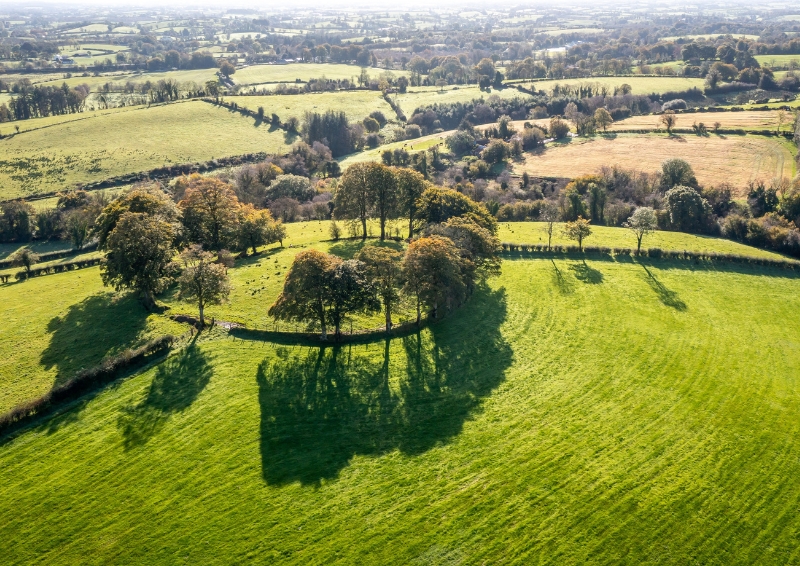
Across the water, the Republic of Ireland has its own tradition of unseen guardians: the aos sí, or ‘good people’, who are said to inhabit ancient circular earthworks called fairy forts (raths or lios).
These archaeological sites, numbering in the tens of thousands, date back to the iron age and early medieval period.
Interfering with them is widely regarded as courting misfortune, and this sentiment has influenced how land is used and protected.
Roads that bend around fairy trees
‘Fairy trees’ across the island of Ireland, typically lone hawthorn trees located in fields, are considered sacred, ancient, and protected by the good people.
Known as gateways to the ‘otherworld’, these trees are culturally respected, often left undisturbed by farmers and planners to avoid bad luck, death, or misfortune.
The most widely publicised example involves a €100 million road building project in County Clare, which was altered to avoid a single hawthorn.
Locals believed that damaging the tree would anger the ‘good people’ and this belief carried enough weight that the planned route was amended.
Other examples include:
- Latoon, Co. Clare (1999): construction of the M18 motorway was delayed and ultimately rerouted to avoid a hawthorn ‘fairy bush’, after folklorist Eddie Lenihan warned that disturbing it would bring misfortune.
- Hill of Tara / M3 Motorway (2000s): the planned route of the M3 became highly controversial due to fears of invoking the ‘curse of Tara’, with locals claiming interference with ancient sites would bring bad luck.
- County Cavan (2011): some residents blamed the financial collapse of local businessman Seán Quinn on disturbed fairy forts, arguing that interfering with them brought a curse.
Northern Ireland:
Northern Ireland shares many of the same folkloric traditions.
The aos sí, fairy mounds, and otherworld narratives remain part of the local heritage, especially in rural areas where ringforts and lone hawthorn, ‘fairy thorns’, still dot the landscape.
There are multiple documented cases in Northern Ireland where construction work hesitated, stalled, or was rerouted due to local concerns about fairy-related sites:
- Annacloy, Co Down (1960s): a well-known fairy thorn was removed to build a new road between Downpatrick and Ballynahinch. Locals were angry at its removal, expressing their fear for the consequences the fairies would bring.
- Dunmurry, Belfast (1980s): the DeLorean factory was built on land where a fairy thorn had stood. Its removal was widely blamed in local lore for the later collapse of the company.
- Newry (ongoing): lone hawthorn trees in the region are treated with caution, with documented cases of workers refusing to interfere with them during construction.
- Mourne Mountains (1997): a construction project was delayed after disturbing a fairy ring, with reports of worker injuries contributing to fears of retribution.
Why these beliefs continue to matter
In Iceland, the Republic of Ireland and Northern Ireland, folklore serves as a bridge between communities and the land they inhabit.
Belief in unseen guardians encourages a kind of planning that is not just functional, but respectful.
It prompts people to slow down, reconsider and sometimes adapt their designs to honour heritage, ecology, and community sentiment.
A global fascination
Iceland’s elf related planning decisions often attract international attention, and similar stories from the Republic of Ireland and Northern Ireland generate the same intrigue.
In all three places, reports of roads curving around elf rocks, fairy trees or ancient ringforts regularly feature in global media. Visitors are fascinated that nations still weave folklore into infrastructure decisions.
These sites have become minor tourist attractions, offering a glimpse of how cultural heritage and landscape remain closely connected — and how development can work with nature, rather than against it.

You may also be interested in

- Type
- News
RAEng names 4 leading ICE members as Fellows
The Royal Academy of Engineering (RAEng) has announced 75 individuals who are making outstanding contributions to the profession.

- Type
- Awards and competitions
Accessibility-first railway revamp wins at the ICE London Awards 2026
Held on 30 September 2026 at the ICE headquarters, One Great George Street, the awards recognised impactful infrastructure projects across the city.

- Type
- ICE Community blog
When every consultancy looks the same, where does innovation go?
There’s no shame in making a name for yourself in a consolidated industry, writes Steven Yule, ICE country representative for the UAE.