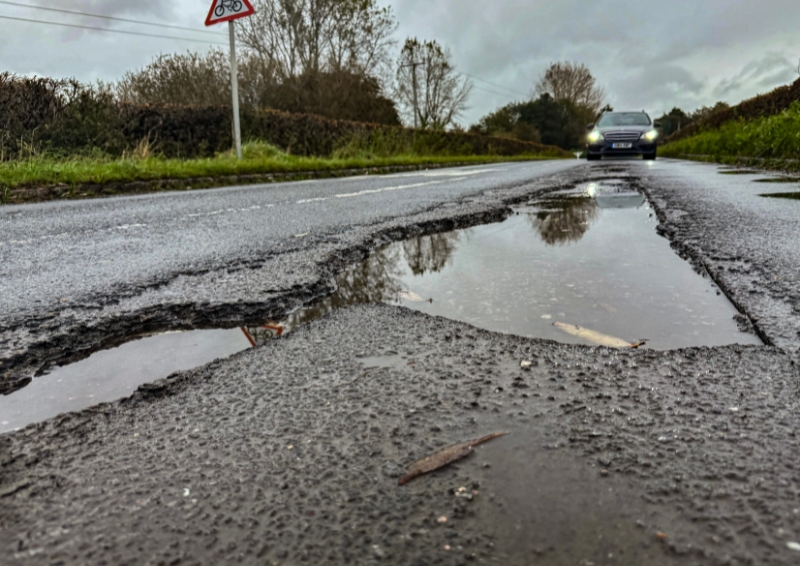
Potholes are one of the most common, and most frustrating, issues on UK roads.
But despite how familiar they are, many people still wonder what causes them, why winter seems to make them worse, and why some repairs don’t last.
To understand the science behind potholes, it helps to first understand how a road is built.
Roads are surprisingly like fruitcakes. Beneath the surface you drive on is a carefully layered structure consisting of:
- a strong ‘cake’ foundation made up from layers of crushed rock and aggregate
- a ‘marzipan’ binder layer that holds everything together
- an ‘icing’ surface that provides grip for vehicles
When any of these layers begin to deteriorate – usually starting at the top – potholes can form.
Warning: potholes ahead
With our vehicles becoming heavier and climate change leading to colder, wetter winters, the risk of potholes forming is growing.
Hear from experts at the ICE Resilient Transport 2026 conference as they explore how to boost the resilience of vital road networks.
Fill your spot
What causes potholes
The most common cause of potholes in the UK is the freeze-thaw cycle.
The surface of the road is made from stones bound together by bitumen – a thick, sticky, tar-like liquid. Over time, traffic wears down this surface, loosening stones and creating tiny cracks.
When rainwater seeps into these cracks and freezes, it expands, pushing stones apart and weaking the ‘icing’ layer. Furthermore, the bitumen becomes brittle and snaps at cold temperatures.
As vehicles pass over the weakened area, the material breaks away and a pothole begins to form.
Sometimes this happens quickly, creating a large pothole overnight. Other times, the damage slowly spreads through the binder and even into the deeper layers of the road.
While freeze–thaw is the main culprit, factors like heavy traffic, larger vehicles, older foundations and repeated utility trenching, which involves cutting into the road to reach underground services, also speed up deterioration.
Why do we see more potholes in winter?
The UK’s climate is perfect for pothole formation. Winter temperatures often sit around 0°C - warm enough for rain, but cold enough for freezing soon after.
This means the freeze-thaw cycle can repeat many times in a single week, sometimes several times in one day!
As water starts to expand at just below 4°C, everyday cold snaps can cause expansion inside the road surface. When temperatures swing rapidly, this cycle accelerates, often creating new potholes within minutes.
You’ll often see loose gravel around a pothole because the expanding ice has physically pushed the stones out of the surface layer – a visible sign that the material has fractured.
Why are potholes called potholes?
The term ‘pothole’ is centuries old. One popular explanation is that in medieval England, potters would dig up clay from road surfaces to make pots, leaving holes behind for wagon wheels to fall into.
Although today’s potholes form differently, the name stuck.
How are potholes fixed?
1. Temporary repairs
A short-term fix is to fill the hole with cold-lay asphalt – like filling a hole in the icing on your cake with a blob of icing.
It makes the surface safe quickly, but because it doesn’t repair underneath layers, water can creep in again and push the repair out.
2. Permanent repairs
For long-lasting results, engineers cut out the damaged area, rebuild each layer using hot asphalt, and compact it to restore strength.
A permanent repair usually needs to be significantly bigger than the pothole itself to prevent cracks from spreading.
3. Full resurfacing
The most effective, but most expensive, option is resurfacing an entire stretch of road.
This requires warmer, drier weather and often road closures, which is why resurfacing programmes typically take place between late spring or early autumn.
These works are funded through central government capital budgets, not council tax.
Why do potholes keep reappearing after repairs?
Temporary patches don’t remove the cracks below the surface, so water can still infiltrate and extend the damaged zone.
Even permanent repairs can struggle in winter, when cold temperatures and moisture make asphalt more brittle, and shrinkage makes cracks appear faster.
High traffic volumes, heavier electric vehicles, and sat-nav systems diverting cars onto smaller roads all add extra strain to weakened surfaces.
Why might Glasgow experience more potholes?
Glasgow has earned the reputation of being the “pothole capital of Britain” for several reasons:
- Higher rainfall and strong winds drive more water into the surface.
- Temperatures frequently dip below 4°C, creating ideal freeze-thaw conditions for months.
- Wet, cold weather reduces opportunity for permanent repairs, which need dry conditions and temperatures above 5°C.
Combined, this means more potholes form and repairs are harder to carry out effectively.
Are potholes worse in the UK than in Europe?
Often, yes – but for several reasons:
- Many European countries experience long, stable periods of freezing, rather than rapid freeze-thaw cycles.
- Major European roads are frequently toll-funded, with maintenance paid directly by road users.
- Continental countries tend to have larger landmasses with more dispersed populations, reducing traffic stress.
- Utilities abroad are commonly placed alongside roads, not beneath them, meaning fewer trenches and less long-term weakening.
Are heavier vehicles a factor in pothole formation?
Yes. Roads are designed to withstand a certain number of heavy vehicles during their lifetime.
As vehicles – especially EVs – become heavier, the wear per vehicle increases. More damage occurs more quickly, reducing the lifespan of the road.
Utility works also contribute: every trench cut weakens the road’s structure, making cracks more likely to form later.
What innovations are being developed to tackle potholes?
Researchers and engineers are actively exploring new technologies:
Some of these innovations could significantly reduce repair costs and improve safety in the coming years.
How to report potholes
If you spot a pothole, reporting it quickly helps prevent deeper damage.
You can report potholes directly to your local council through their website or via national reporting services such as FixMyStreet.
Early reporting means faster repairs – and prevents small cracks becoming large, costly hazards.
Potholes in the headlines
Potholes have recently made national news after French conservationists warned that UK road vibrations – including bumps and potholes – could damage the Bayeux Tapestry during its planned journey from Bayeux in Normandy to the British Museum.
They argue that even small shocks from uneven road surfaces could pose a risk to the fragile 11th-century cloth, prompting a legal challenge to halt its transport.