





International Women’s Day celebrates the accomplishments of women around the world and shines a light on the challenges they still face. But real change takes continued effort, throughout the whole year.
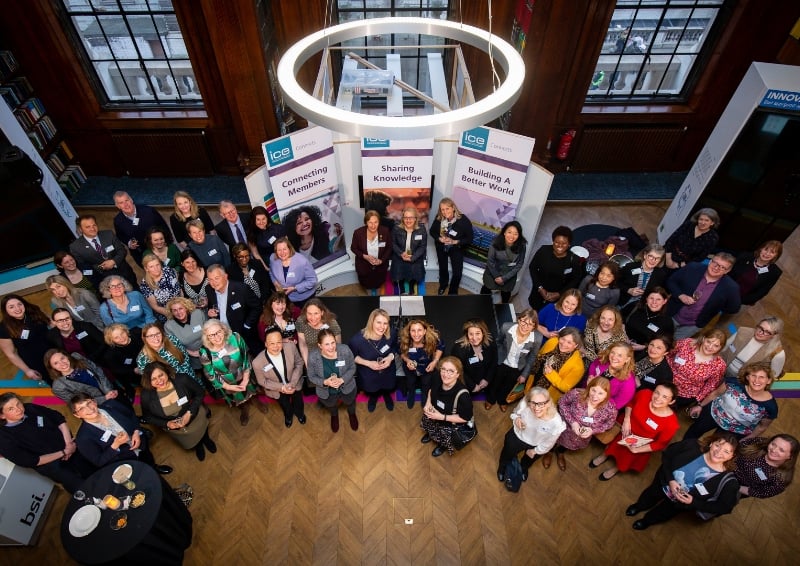
“International Women’s Day matters because progress towards equality doesn’t just ‘happen’,” says Gayathri Saudha, a civil engineer at built environment consultancy, Curtins.
This year, the UN awareness day called for rights, justice and action for all women and girls as it noted that worldwide, they only have 64% of the legal rights that men do.
This affects women and girls across basic areas of life, such as work, money, safety, family, property, business and more.
That is systematic inequality, and it shows up in civil and infrastructure engineering, too.
‘I feel like I have to prove myself’
“Engineering is still very male-dominated,” says Anisa Koci, principal port project manager at Portsmoouth International Port. “Sometimes, I feel like I have to prove myself and be more assertive when managing a team of men.”
Research backs up Anisa’s claim. EngineeringUK found that only 16.9% of the engineering and technology workforce is made up of women. This is considerably low compared to the 56% figure from other professions.
This is a trend that begins at education. Girls made up half of all maths and physics GCSE students. However, the figure drops to:
- 37% at A-level maths
- 24% at A-level physics
- 20% on engineering and technology apprenticeships
- 12% on engineering and technology T-levels
But even when they have joined the industry, EngineeringUK has previously reported that women aged 35-44 are leaving the industry at increasing rates.
International Women’s Day often helps bring these figures to the front of people’s minds. But it’s not just about talking about them.
“It’s a call to step up, not just speak up. It challenges us to look at where we can influence real change in our own teams and decisions,” Gayathri explains.
What do awareness days achieve?
Inequality is a complex problem, not just for civil and infrastructure engineering, but society.
There’s no simple solution, but awareness days like International Women’s Day can help spark conversation and keep relevant issues in mind.
They can help make a difference, too. Earth Day, originally celebrated in 1970, helped lead to the creation of the US Environmental Protection Agency.
And although it takes place over a month instead of a single day, research indicates that Alcohol Change UK’s Dry January does have some tangible health benefits for participants.
History of International Women’s Day
International Women’s Day has roots in the labour and suffragette movement.
It can be traced back to 1908, when 15,000 women marched New York City streets calling for shorter working hours, better pay and the right to vote.
It became an international awareness day in 1911, and the UN first recognised it in 1975.
There has been marked progress for women in many areas, but we can’t rest on our laurels.
At the current rate of progress, the UN estimates it will take 286 years to close the legal gap for women.
That means we need to keep the importance of change front of mind all year, not just on 8 March.
‘Inequality is one of the greatest design flaws’
“Engineering is about solving human problems, yet inequity is one of the greatest design flaws still built into our industry,” says Tarisiro Fundira, senior civil engineer at infrastructure firm, Arup.
So how can the industry address this?
“Acting for all women and girls means re-engineering our workplaces and our projects so that safety, dignity, and opportunity aren’t optional features, but standard specifications,” Tarisiro says.
Making these changes at work will lead to gender equity everywhere else.
ICE Past President Professor Jim Hall explains: “From well-lit transport systems to accessible water, sanitation and resilient housing, engineers shape daily life.
“True justice requires women’s voices in planning, leadership and construction – ensuring infrastructure not only serves communities but empowers every woman and girl to thrive.”
How awareness becomes action
Regardless of your gender, you can help make the world a more equitable place.
You might’ve heard of the term ‘ally’ before but perhaps wondered what that looks like in practice.
Tarisiro weighs in: “True allyship in engineering means using your influence to dismantle the structural barriers women still face. Not by speaking over them, but by making sure their voices shape decisions, designs, and delivery.
“It’s justice expressed in everyday actions: amplifying talent, challenging bias, and ensuring women are safe, seen, and supported on every site and in every meeting.”
Gayathri adds: “For me, allyship is practical. It’s noticing who isn’t in the room, backing people when it counts, and challenging bias even when it’s uncomfortable. That’s how awareness becomes action.”
Celebrating women every day of the year
The ICE is committed to making the infrastructure industry a more equitable, diverse and inclusive place.
That means acknowledging and celebrating the accomplishments of female members and demonstrating the importance of diversity all year long, not just during awareness days.
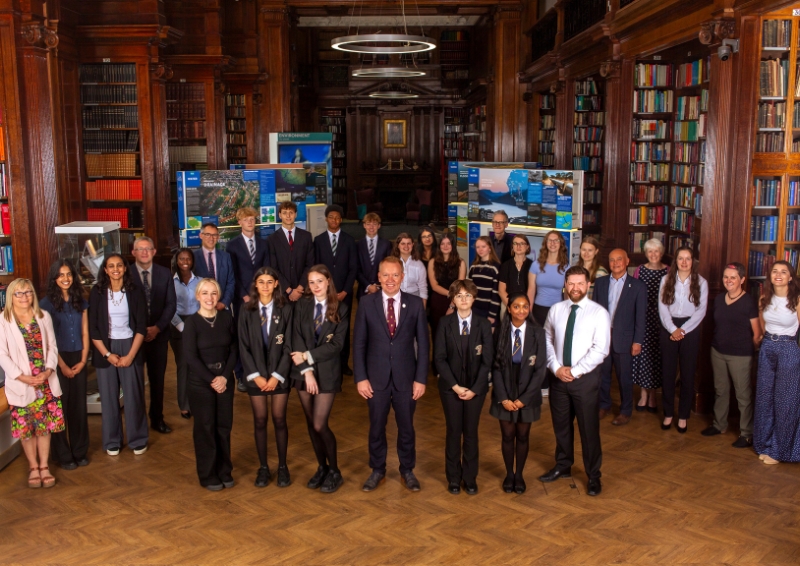
In the past year, the ICE has:
- Congratulated ICE Fellow Becky Wood on her appointment as CEO of the National Infrastructure Service and Transformation Authority (NISTA).
- Qualified the first female infrastructure engineer, Jananie Balapitathees.
- Celebrated Anam Balbolia, Fay Newham, Magdalena Sartin, Dr Meini Su, Rachel Piper and Vanessa Quansah, who were recognised among the WES Top 50 Women in Engineering.
- Welcomed the all-female Gold, Silver and Bronze winning teams of the ICE CityZen Award for 16- to 18-year-olds at our headquarters in London for a celebratory lunch. It’s an encouraging sign that future generations might be headed in a more equitable direction!
Meanwhile the ICE Connects: Women in Fellowship programme is helping change the face of Fellowship by encouraging more women and members from diverse background to apply.
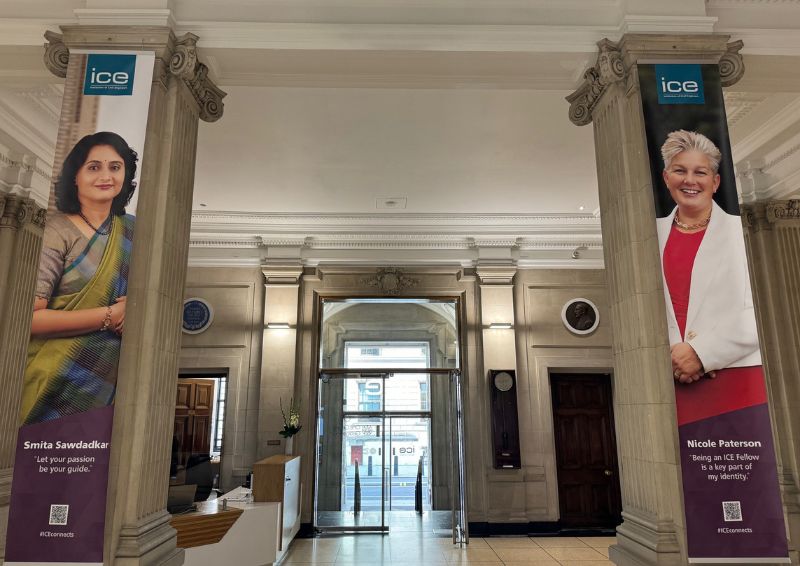
The network regularly holds events to explore the route to the ICE’s highest grade of membership. It also profiles the work and career paths of female Fellows. For instance, through the 2024 banner campaign at One Great George Street.
Widening the blazing trail
Yuli Doulala-Rigby, chief civil engineer at manufacturer Tensar, issues a reminder that we need to keep in mind every day of the year: “A woman can engineer as well as a man, do not let stereotypes and biases tell you otherwise.”
“Join me on the trail that strong women engineers blazed for us, before us, and let’s make it wider together. For ALL Women and Girls!”


Sustainable Development Goals:
You may also be interested in

- Type
- News
RAEng names 4 leading ICE members as Fellows
The Royal Academy of Engineering (RAEng) has announced 75 individuals who are making outstanding contributions to the profession.

- Type
- Awards and competitions
Accessibility-first railway revamp wins at the ICE London Awards 2026
Held on 30 September 2026 at the ICE headquarters, One Great George Street, the awards recognised impactful infrastructure projects across the city.

- Type
- ICE Community blog
When every consultancy looks the same, where does innovation go?
There’s no shame in making a name for yourself in a consolidated industry, writes Steven Yule, ICE country representative for the UAE.