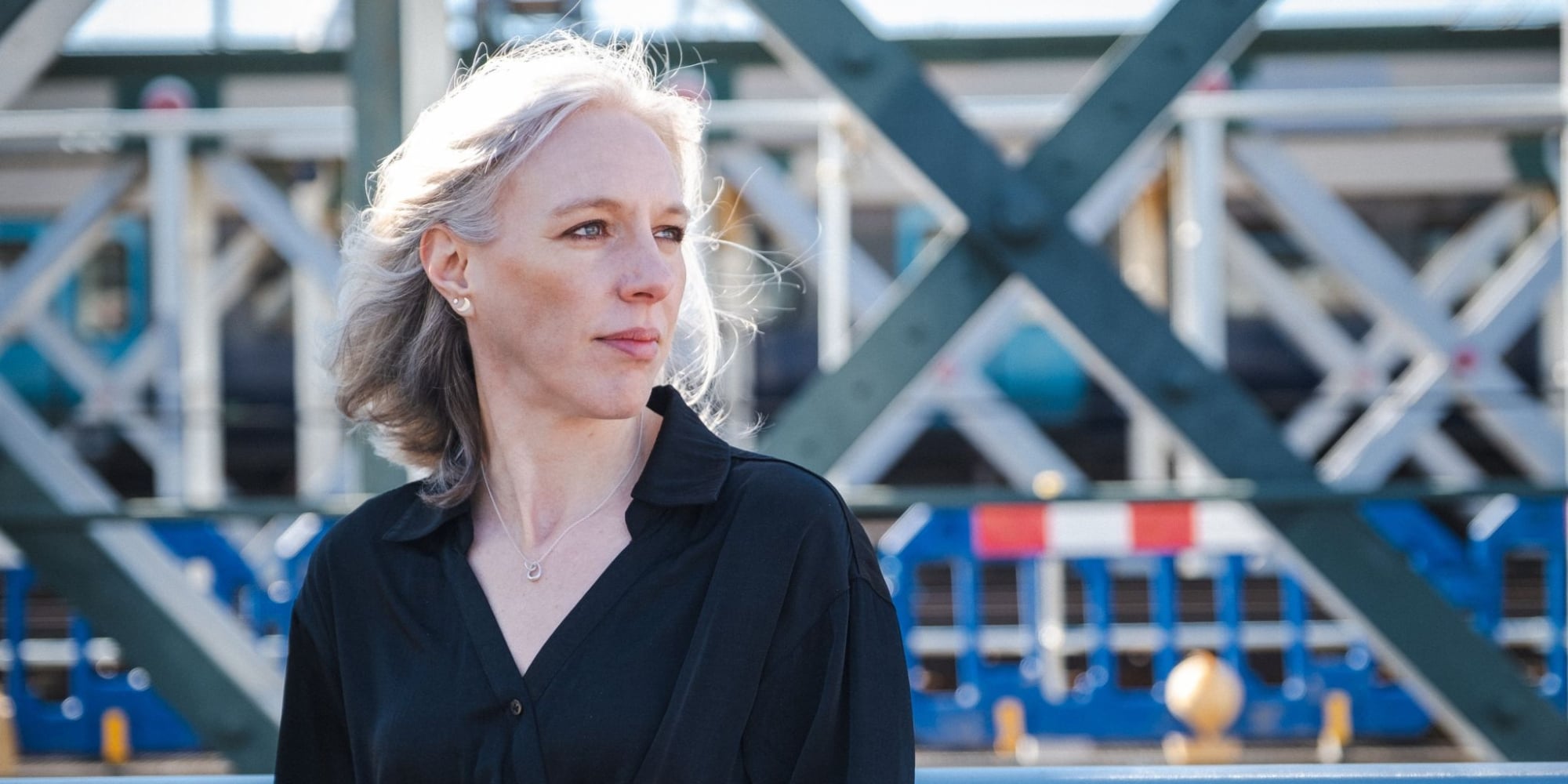



Lucy Pullin
Assistant engineer, WSP
Expertise
Construction, Design, Project ManagementLocation
South WestMy highlights
Winning the Jean Venables Medal in 2026
Becoming a project manager
Designing the Reading Road cycling and walking active travel corridor
A day in my life
No two days are the same.
A typical day might start with reviewing drawings, reports, or programme updates before catching up with project teams and clients.
I often balance technical work—such as contributing to feasibility studies, walking and cycling assessments, or design reviews—with project management tasks like tracking progress, managing risks, and supporting commercial decisions.
Site visits are a key part of my role, helping me understand how designs work in the real world and how people will experience the infrastructure.
Alongside project work, I’m also involved in STEM outreach, sharing my experience with students and encouraging others to consider engineering as a career.
Every day involves problem‑solving, collaboration, and learning, all while contributing to infrastructure that shapes how people move and live.
A professional qualification provides a clear framework for developing my technical and project management skills and gives confidence in the decisions I make.
What inspired you to become a civil engineer?
I discovered civil engineering during my Year 10 work experience at an architecture firm. Further research showed me how broad the industry is and the many opportunities within it.
We asked Lucy…
I would recommend a career in civil or infrastructure engineering because…
It gives you the chance to change the built environment in a meaningful way, improving how urban and rural places work.
Each project comes with its own challenges, and the variety keeps the work interesting. No two projects are the same.
Complete this phrase: I’m a civil or infrastructure engineer/technician, but I’m also…
A STEM ambassador, project manager, and someone who cares about shaping infrastructure that meets today’s needs.
Name one civil or infrastructure engineering myth you’d like to bust.
That civil and infrastructure engineering is just about roads, concrete, and calculations.
In reality, it’s about people and understanding how communities move, live, and interact with the spaces around them, and designing infrastructure that is safe, inclusive, and future ready.
How does your role contribute to addressing climate change?
My role contributes to addressing climate change by supporting schemes that encourage walking and cycling, improving accessibility and reducing reliance on private vehicles.
Through feasibility studies, design development, and assessments, I help shape infrastructure that promotes sustainable travel and considers long‑term environmental impact.
How does your role contribute to making the industry more diverse and inclusive?
Alongside my day‑to‑day role, I’m a STEM ambassador and actively engage with students to challenge perceptions of engineering and highlight alternative pathways into the profession.
I aim to show that civil engineering is for everyone and that diverse perspectives are essential to creating inclusive infrastructure.
What role does digital technology play in your job?
Digital technology is central to my role, from using design software and data analysis tools to support decision‑making, to collaborating with multidisciplinary teams through digital platforms.
These tools improve efficiency, accuracy, and coordination across projects.
What motivated you to become professionally qualified?
To demonstrate my competence and commitment as an engineer while taking on greater responsibility.
A professional qualification provides a clear framework for developing my technical and project management skills and gives confidence in the decisions I make.
It also supports my long‑term career progression and contribution to high‑quality, sustainable infrastructure.
What does being professionally qualified with the ICE mean for your career?
It has helped develop my career. I've been able to take on more responsibility and work on more challenging aspects of projects as designer and project manager.
It has also boosted my confidence.
How did the ICE and your employer support you to become professionally qualified?
My employer supported me throughout the process of becoming an Engineering Technician, particularly with practice interviews and report preparation.
What do you value most about being an ICE member?
It has allowed me more access to different fields within civil engineering, not just my discipline (Highways).
There are some great events run by the ICE, which are a great way to build your network.
What made you decide to study engineering?
Throughout sixth form, I enjoyed subjects that required logical thinking, particularly maths and physics, which led me to explore civil engineering.
I was drawn to the analytical side of engineering, as well as the design element, and the way projects develop through each stage of their life cycle.
What’s the most complex thing you’ve made out of Lego?
A Technic LEGO tractor, which was complex and took several hours to build.
Do you have any hobbies?
Running half marathons, rowing for my university, fine art, photography and silversmithing.
Lucy's career path
I'm doing a degree apprenticeship, so work four days a week and go to university one day a week.