






Kilnbridge
Kilnbridge is the UK's leading structure specialist.

Each year, our ICE East of England Merit Awards celebrate exceptional people and projects, highlighting the benefits civil engineers bring to communities across the region.
The ICE East of England Merit Awards celebrate the achievements of civil engineers across the region, recognising the positive impact their work makes to local communities and the people who live in them.
Each year, the awards shine a light on the talent and innovation shaping infrastructure across the East of England, from projects that improve daily journeys to those that support long‑term growth.
If you wish to take part in our 2027 regional awards, please complete our Expression of Interest form and our Regional Support Team (RST) team will get in touch with you.
The winners were announced at our awards ceremony and dinner on 10 September at Knebworth House and Barns, Hertfordshire.
Congratulations to all the winners of ICE East of England Merit Awards 2026!
The 2026 ICE East of England Merit Awards 2026 were sponsored by Kilnbridge.
Kilnbridge is the UK's leading structure specialist.
This year, our judges reviewed outstanding entries and nominations for people and projects that are making a real impact in civil engineering across our region. Explore our winners.
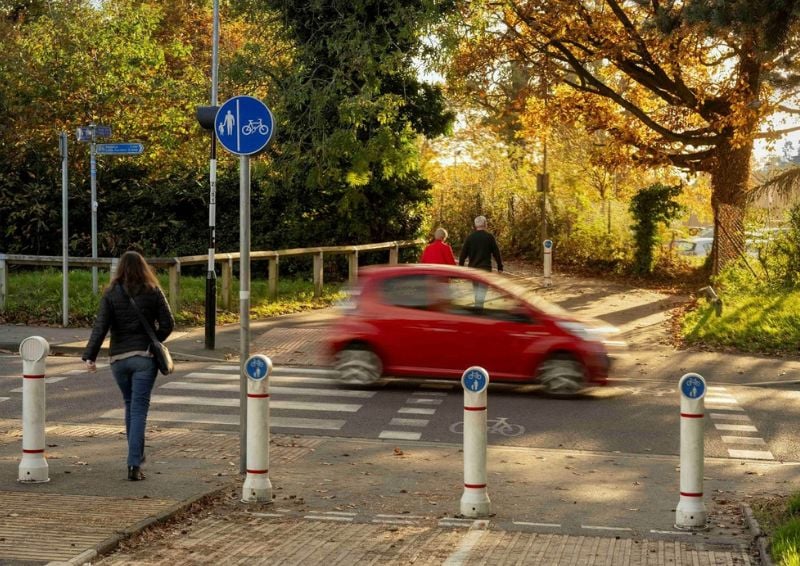
Harlow LCWIP 9
Harlow LCWIP 9 scheme was awarded £1.954m funding from Active Travel England’s (ATE) Active Travel Fund 4.
The scheme improves 2.3km of cycle and walking network from west Harlow to the north of Harlow town centre. It links with the new North to Centre Sustainable Transport Corridor connecting to the Railway Station, Harlow Town Centre and the planned East to West Sustainable Transport Corridor.
Design development and delivery of a package of measures along the LCWIP 9 corridor. Works focused on improving connectivity between residential areas and local destinations, addressing pinch points, and improving crossing opportunities on busy roads.
Key features:
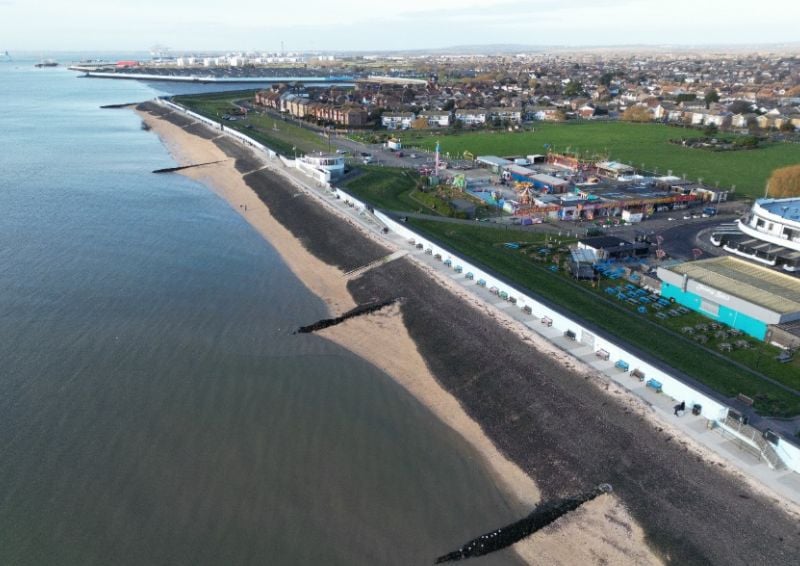
Canvey Island Southern Shoreline
The Thames Estuary Asset Management 2100 (TEAM2100) Integrated Delivery Team (IDT) is the partnership between the Environment Agency (EA), Jacobs and Balfour Beatty, with a 10-year programme to refurbish and replace crucial infrastructure - the tidal flood defences in London and the Thames estuary, originally built in 1953.
The £50m scheme replaces 3.2km of failing tidal revetment to safeguard >6,000 properties for the next 50 years. Without the presence of the infrastructure, Canvey Island would be submerged twice daily.
Construction focused on refurbishing and strengthening the existing defence rather than full replacement, reducing waste and disruption.
Key features:
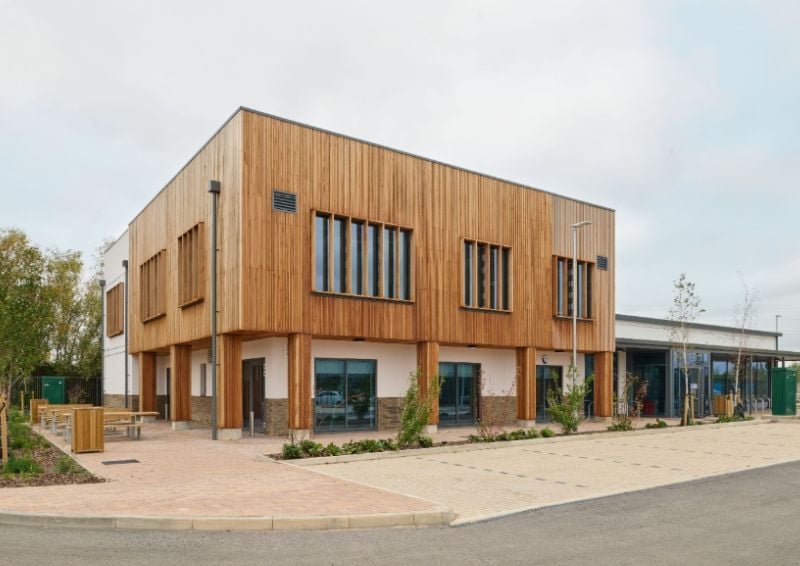
Cambridge City Council Operational Hub
The Cambridge Operational Hub is a strategically important public sector asset, delivering a resilient, long-term base for essential Council services at Cowley Road, Cambridge.
The project consolidates Streets and Open Spaces, Estates and Facilities operations into a single integrated site, strengthening service coordination, operational reliability and day-to-day responsiveness.
The development occupies approximately 7500m2 incorporating buildings, yards and fleet infrastructure, and providing around 979 m2 of net internal floor area.
A total of 102 parking spaces is provided for fleet vehicles, including refuse vehicles, tippers, tractors, cutters, and street sweepers. The facility opened in 2025 after a 1.5-year construction period.
Key features:
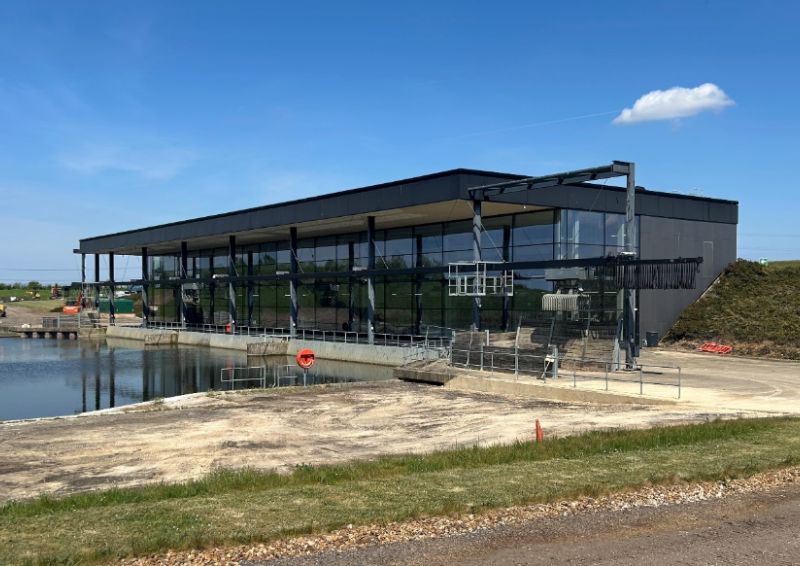
St Germans Pumping Station Resilience
St Germans Pumping Station is the largest land drainage pumping station in the UK. Commissioned in 2010, it replaced the previous 1930’s station.
It is owned and operated by the Middle Level Commissioners (MLC) and provides the only way to evacuate water from the lowest lying areas of the country, pumping excess water from a 70,000 Ha catchment into the Great Ouse Tidal River near King’s Lynn.
The station was designed to operate automatically controlled by set parameters based on upstream water levels and the downstream tidal level, with no day-to-day human intervention required.
The station consists of 6 electric pumps, each with a backup diesel generator and total pumping capacity of 100m3/s.
Key features:
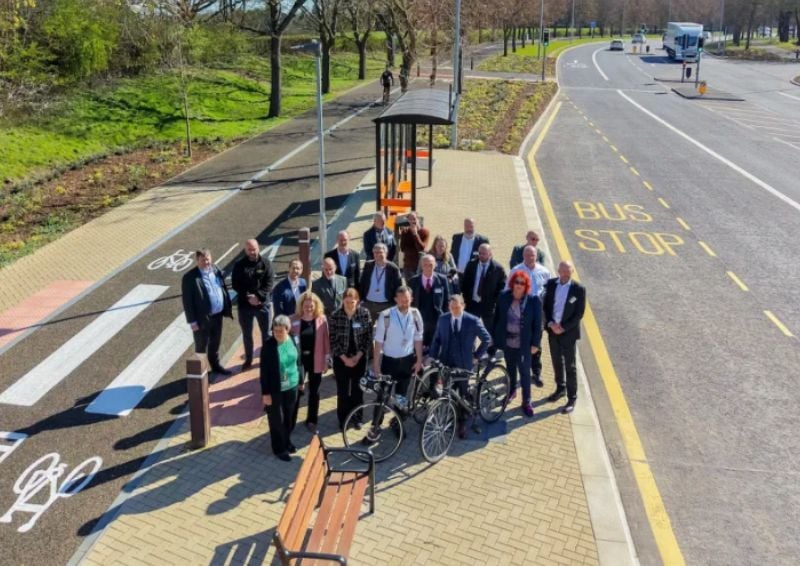
Harlow Sustainable Transport Corridor
The Harlow Sustainable Transport Corridor is in West Essex and runs from an upgraded junction at Burnt Mill along the A1019 to Harlow town centre.
The significantly upgraded corridor features numerous signalised crossing facilities, improved LTN1/20 compliant walking and cycling routes, new bus priority improvements and enhanced landscaping, lighting and signage.
The STC was delivered by Essex County Council (via their Essex Highways partnership with Ringway Jacobs and its shareholders, Jacobs and Eurovia), Bouyges/ Colas and promoted by the Harlow and Gilston Garden Town partnership.
Jacobs led the bid, design stages and supported the Constructions stage with design and NEC Project Management secondment services.
Key features:

Romilly Bobby
Romilly Bobby is a standout civil engineer who’s already making a real impact.
Through her work with the ICE East of England ECNet, she’s strengthened the committee, improved its operations, and boosted team engagement.
In her role at Eiffage Génie Civil UK, she’s shown strong technical ability, especially in managing complex temporary works and developing digital tools that save time and improve safety.
She also supports early‑career engineers, promotes inclusion and leads meaningful change through initiatives like Tracks for Change.
Romilly brings energy, integrity and practical leadership.

Anna Tyler
As an ICE Ambassador, Anna Tyler stands at the forefront of inspiring the next generation of engineers.
The judges highlighted her passion and her commitment for STEM outreach, and the impact she continues to have on students across the region.
“Anna is a very deserving winner.
She has shown real passion for supporting young people and encouraging them to see the opportunities available in STEM and engineering. Her mentoring with Year 9 EDT Bronze Project students is a great example of how she makes engineering more interesting and accessible.
She has also made a strong contribution through the ICE Early Careers Network, helping to bring people together and build a wider engineering community.
What stands out is her enthusiasm, commitment and the positive impact she is having on students, early career professionals and the local STEM network.
It is lovely to recognise Anna for all the work she has done and the difference she is making.”
This recognition highlights not only her dedication, but her commitment to shape the future engineering.
With local representation and multiple options from single award through to headline sponsor for all 12 regions, we have a sponsorship package tailored to you. Get in touch with the team today.