





2027 application pack
Download the pack for full details on how to enter.
Download

Each year, our awards showcase your work - celebrating your talents as civil engineers and highlighting the benefits you bring to communities across the North West region.
Our 2027 awards are open for entries. You can complete your entry in these easy steps:
If you’re applying for a Small Project, Medium Project, Large Project, Constructability or Future Resilience Award, you must pay for your entry before you submit your award application. It costs £250 excl. VAT per entry.
Please add your order number to the application.
People awards (Rising Star Award, STEM Ambassador Award and Mentor Award) are free to enter.
Pay for your entrySubmit your nomination form and additional files to [email protected] by Friday 22 January 2027.
Even if you haven’t completed an expression of interest form, you can still enter our awards.
Don’t forget to read through the application pack as it contains the rules of entry, an overview of categories and entry information for each award.
Apply nowIf you have any queries regarding your nomination, please contact us via:
E: [email protected]
Our 2027 awards are fast approaching. Here are some key dates you need to know:
We are grateful to our supporting sponsors for helping us celebrate civil engineering excellence in the North West region.
For sponsorship enquiries, please contact [email protected] or Emma Antrobus, ICE North West regional director at:[email protected]
In early May, around 300 professionals joined us to celebrate people and projects from across the North West region. We received over 60 award entries across 10 categories, with all projects needing to specify which of the UN SDGs applied to their project.
The winners below were announced at our awards ceremony at the Hilton Hotel in Liverpool City Centre.
The 2026 ICE North West Awards were sponsored by Mott MacDonald, Tensar, Temporary Works Forum, Civic, Murphy, Sutcliffe, Ardent and Dowhigh.
Banner image credit: ER Photography
Categories celebrated included:
Our awards are split into two main categories, people and projects. See all our winners below.
Our people awards showcase the outstanding achievements of ICE members in the region – from civil engineers in their early careers, through to those influencing future generations.

Charlotte Osborne
Charlotte is a driving force for STEM outreach across the Liverpool City Region (LCR). She’s involved with the LCR Employer Network’s ‘All About STEM’ initiative, and is also preparing future collaborations through the LCR Careers Hub ‘Give an Hour’ campaign.
She organises work experience placements, which allow students to complete project tasks, receive tailored feedback and have exposure to live projects. Teachers report students leave more confident and with a clear understanding of civil engineering careers.
In her workplace, Charlotte embeds STEM engagement directly into project-related social value commitments – ensuring outreach is a core part of project delivery.
The judges commended Charlotte for affecting wider change and creating a positive legacy.

Cara Davidson
Cara is a natural leader, innovator and passionate engineer. Her career to date has seen her hold a high level of responsibility, beyond that of a typical graduate.
She was the sole construction supervisor on the £110million Bolton Wastewater Treatment Works upgrade. She supported the construction and commissioning of innovative technologies, including the Membrane Aerated Biofilm Reactors.
Cara also led an innovation initiative introducing rainwater harvesting for jetting operations at Davyhulme Treatment Works, saving up to 5,000 litres of potable water per day. This is now being replicated at other sites.
The judges praised Cara’s strong leadership qualities and vision.

Mohamed Amin
Mohamed is a self-driven engineer who wants to leave a lasting impact.
Having no exposure to engineering growing up, Mohamed works to inspire others. Presenting to over 100 students who had never heard of civil engineering reinforced to Mohamed the importance of visibility and representation in the industry. Within his workplace, he’s organised site visits for apprentices to help bridge the gap between design and construction.
Mohamed challenges colleagues to raise standards and takes pride in identifying issues early. However, he believes getting things right the first time, reducing waste and designing sustainably should be standard practice, not ambition.
The judges commended Mohamed for raising standards and his personal anecdote.

Colin Buckle
Colin is a huge inspiration to all civil engineers.
When he first became a line manager of two apprentices, he didn’t know how to best support them. Now, he shares his journey as a line manager and SCE via a free bi-monthly online session, which is open for anyone to join. The session also acts as a forum for others to share their experiences.
As a result of his mentoring efforts, Colin was recently appointed to the Skills England Construction Apprenticeship Assessment Reform Taskforce. He also provides guidance to Skills England on how to better communicate with our industry.
The judges praised Colin for his wide impact on early career engineers – and not just those within his own company. They noted that he’s taken a problem and done something positive about it.
From future resilience and constructability to multi-million-pound schemes, these awards celebrate innovative projects across our region.
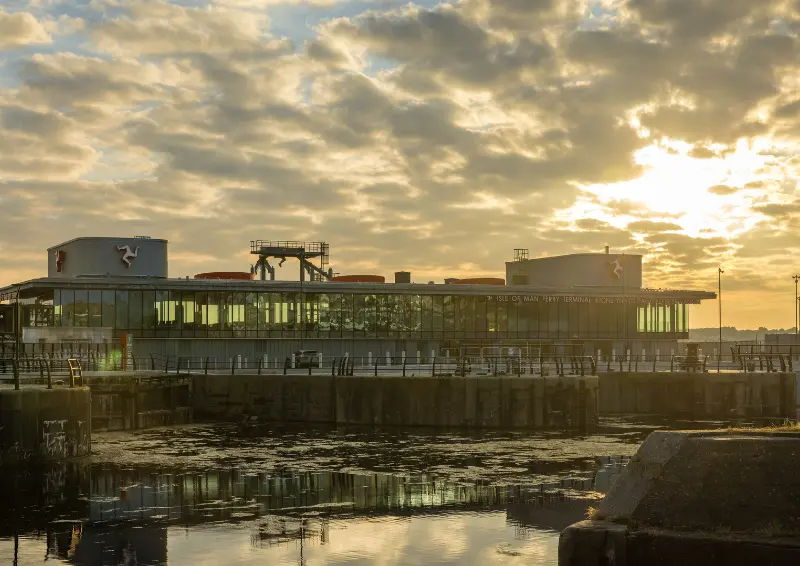
Isle of Man Ferry Terminal
The project team created a fit-for-purpose ferry terminal that elevates passenger experience, strengthens commuter connectivity and allows for future expansion.
One of the standout aspects of this project was the development of a new technique for fender installation. To install the 44-tonne, 14m-long berthing fender, the project team designed deployable temporary access platforms that were hoisted electrically from the quay edge. Pneumatic drilling systems were used to install 1m-deep resin anchors within the flushing voids, enabling force-transfer frames to be constructed safely in the wet environment.
The judges commended the project team for their fender installation technique and collaborative approach.
Project team: Isle of Man Government – Department for Infrastructure, The Manser Practice, John Sisk & Son Ltd, Turner & Townsend, Ramboll, Royal Haskoning, AECOM, Waterman Group, Green Sea Marine, ADELTE Group, MacGregor, Carmet Tug Company, Peel Ports
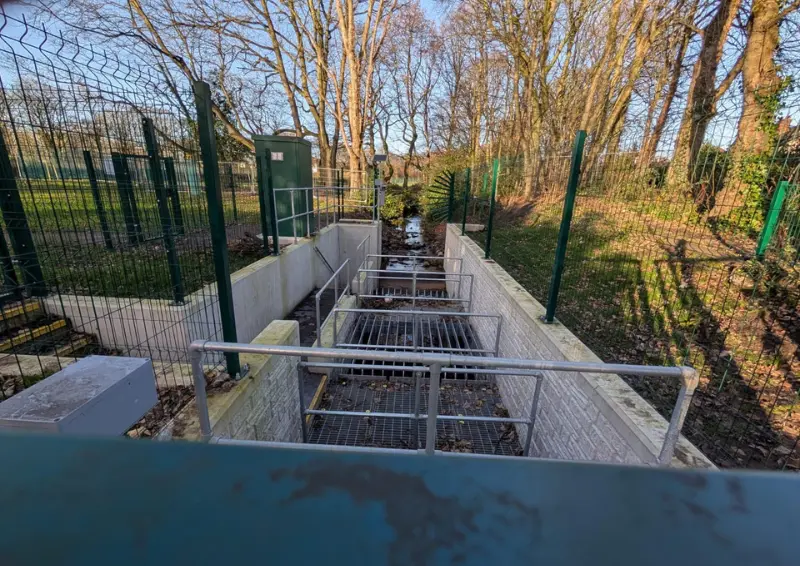
Lower Risk Debris Screens
For this project, the team transformed ageing debris screen infrastructure into future-proof assets while working in live, flood-prone watercourses and tight residential areas.
Through collaborative problem solving, sustainable design and community enhancement, they delivered flood protection that will strengthen local environments and improve lives for generations.
Materials were selected for longevity in harsh watercourse environments, ensuring the assets will last for decades with minimal intervention. Success was measured through compliance and construction quality, improved resilience to flooding, enhanced stakeholder confidence and tangible community benefits.
The judges commended the project for being a good example of how to positively influence the client brief and for its high level of collaboration.
Project team: Environment Agency, JBA, Cheetham Hill Construction Limited, VolkerStevin
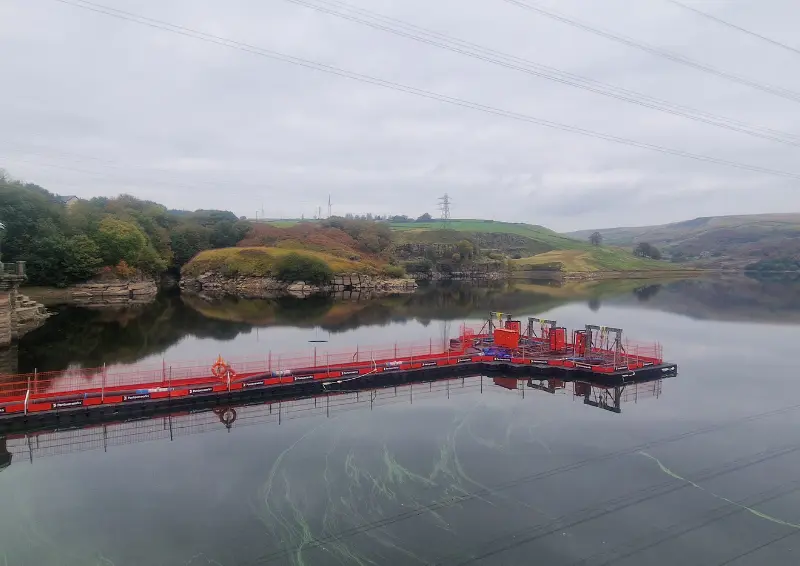
Greenbooth to Ashworth Moor Pipeline
After facing one of the driest springs on record in 2025, Ashworth Moor Reservoir, which serves Rochdale, was at risk of running out of water. Greenbooth Reservoir – 2km away – was identified as an alternative water source.
In just four months the project team designed and constructed a 2km pipeline and floating pumping station from Greenbooth Reservoir to Ashworth Moor Reservoir and associated treatment works. The design repurposed an abandoned culvert for half the pipeline route, reducing environmental impact and embedded carbon.
Once operational, the scheme allowed reservoir stocks to recover and guaranteed uninterrupted service during severe dry weather.
The judges were highly impressed by the timeline of the project and its immediate impact. They also commended the reuse of an existing asset.
Project team: United Utilities, Stantec, Avove
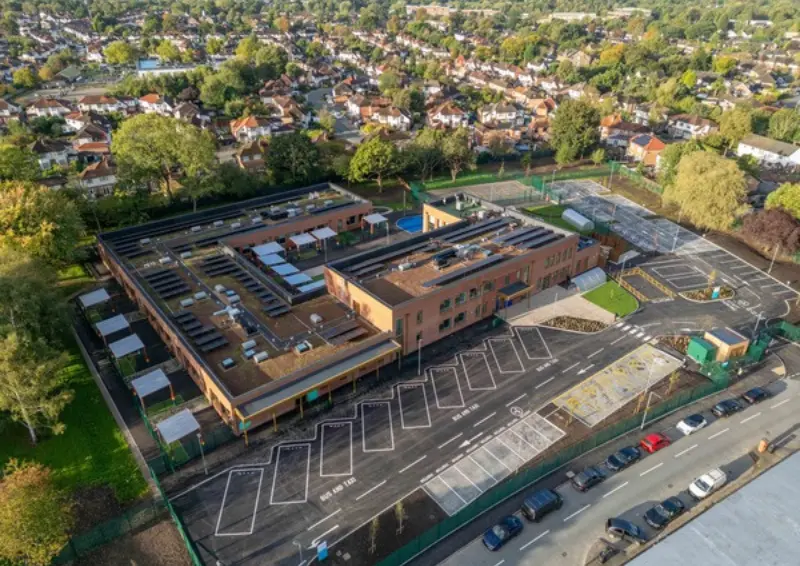
Pear Tree High School, Stockport
The brief for Pear Tree High School was to create an inspiring and fully accessible Special Educational Needs and Disabilities (SEND) learning environment for 133 students aged 11-19.
All partners worked as a team, including the co-headteacher of the school who actively shaped key design decisions. This inclusive approach ensured every detail – from corridor colours to specialist teaching spaces – was guided by an expert who understood the needs of students.
This collaboration also helped create environments such as sensory rooms, a horticulture zone, outdoor classrooms and self-regulation space.
The judges commended the project team for working with the local subject matter expert to understand what would benefit the students and staff.
Project team: Department for Education, Prospere Learning Trust, AHR, Clancy Consulting, Morgan Sindall, Mott MacDonald, TACE, Stockport Metropolitan Borough Council
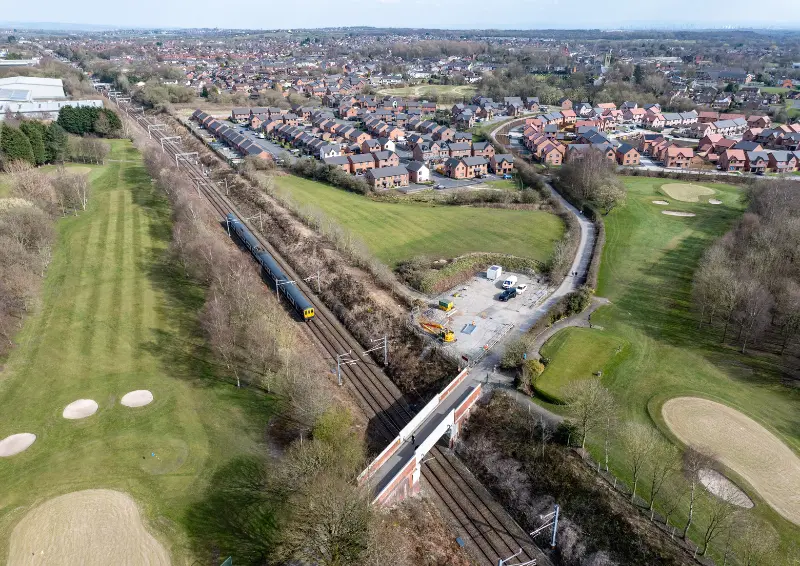
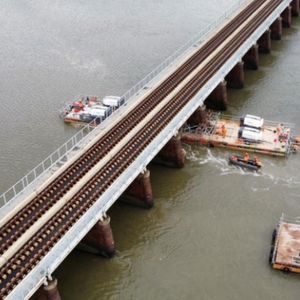
Wigan to Bolton Electrification
The Wigan to Bolton Electrification project brought together organisations from across the industry to deliver increased connectivity, greater reliability and longer electric trains – allowing for greener electrified services.
The project team embraced new approaches to design that broke the cycle of widespread, costly and disruptive overbridge replacements through the application of Minimum Viable Product techniques.
They embedded cutting-edge techniques using parametric design to produce standardised bridge decks at four locations – reducing material usage and allowing for efficient construction. The standardised design also ensured installation procedures were consistent, which minimised potential safety risks.
Network Rail asked for the project approach to be shared as best practice. It’s now used as a standard on larger electrification projects.
The carbon reduction, scale and impact of the project stood out to the judges.
Project team: Network Rail, Tony Gee and Partners, AtkinsRéalis, Kier Transportation, RJP town planners, SPL Powerlines, DYSE Structural Engineers, Adapt Heritage, Pioneer Rail
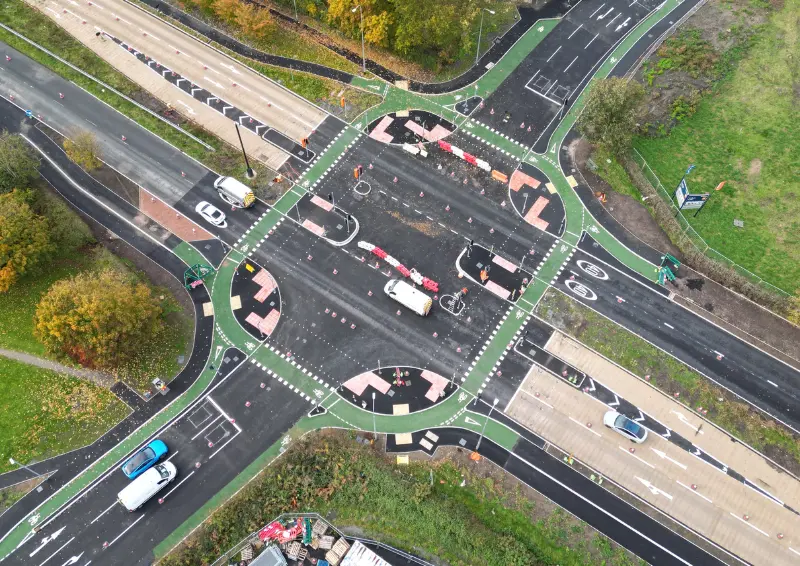
A59 Corridor Improvements
The client brief was to deliver A59 Corridor Improvements between Dodds Lane and the West Lancashire boundary.
The use of Dowfoam within the project – a foamed bitumen stabilised material – made it stand out to the judges for the Mercer Innovation Award. Its use demonstrated a high level of innovation by the project team.
Dowfoam represents a step change in how recycled materials are engineered, produced and deployed within highway and pathway construction. Unlike traditional hot mix asphalt, Dowfoam is produced and laid at ambient temperatures, removing the need for energy-intensive heating processes and specialist thermal plant.
Since it can be trafficked immediately following placement and overlaid without a tack coat, it can accelerate programme delivery and reduce disruption to road users.
Project team: Sefton Council, WSP, Dowhigh Ltd
With local representation and multiple options from single award through to headline sponsor for all 12 regions, we have a sponsorship package tailored to you. Get in touch with the team today.