


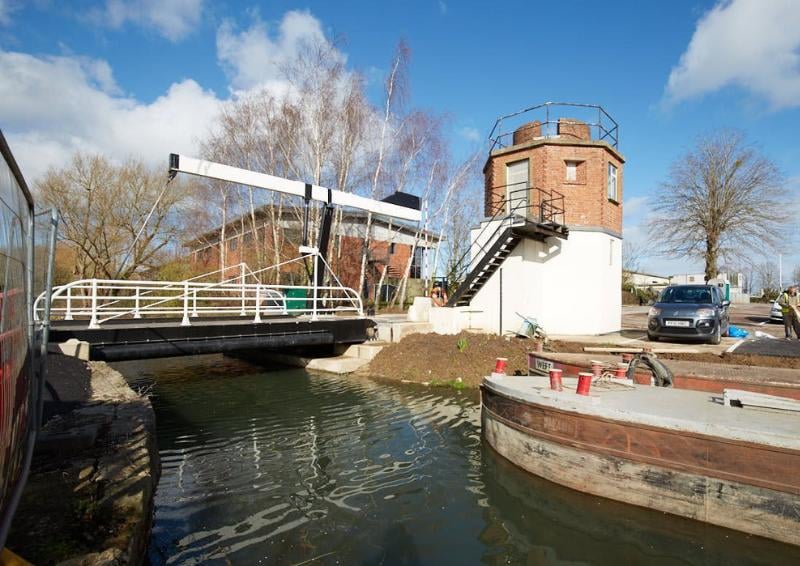
Bonds Mill Bridge
Read more

Each year, our awards showcase your work, celebrating your talent and achievements as civil engineers and highlighting the benefits you bring to communities across the South West region.
Twelve outstanding infrastructure projects and nine talented apprentices and graduates have been shortlisted.
The winners will be announced on Thursday 12 November 2026 at our awards ceremony in Bristol.
Bonds Mill Bridge in Stonehouse, Gloucestershire is part of a wider programme to restore the Stroudwater Navigation and the Thames & Severn Canal, linking 36 miles of historic canals. The project replaced an older bridge that no longer worked with a new lift bridge, allowing boats to pass through again and helping reconnect the waterway for future use.
The work was carefully managed to minimise disruption, keeping access open for local businesses and canal users throughout construction. The canal itself remained full of water during the project, protecting wildlife and habitats along its route. The design also respects local heritage, retaining a historic pillbox and reusing parts of the existing structure where possible.
Completed within a tight space, the scheme has restored navigation and is a key step towards fully reopening the canal network.
Image credit: Cotswold Canal Trust
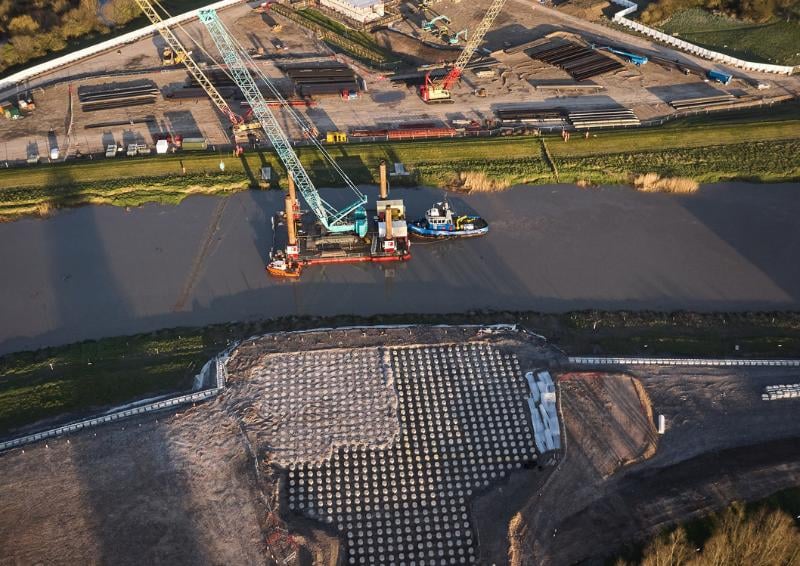
The Bridgwater Tidal Barrier will reduce flood risk for 12,800 homes and businesses in Somerset, delivering nationally significant flood protection alongside economic and community benefits.
The project prepared the site for construction of the main barrier. Integration of permanent and temporary works created secure access routes, working areas and interim flood protection on both sides of the River Parrett.
Innovative construction methods enabled teams to work safely in a challenging live tidal river system, reducing risks and delays. Digital engineering and collaborative design reviews, embedding health and safety by design.
Environmental benefits were also delivered to reduce carbon and protect habitats. These included the creation of a 160m water vole receptor ditch to help protect the river mammal population during construction.
Image credit: Kier
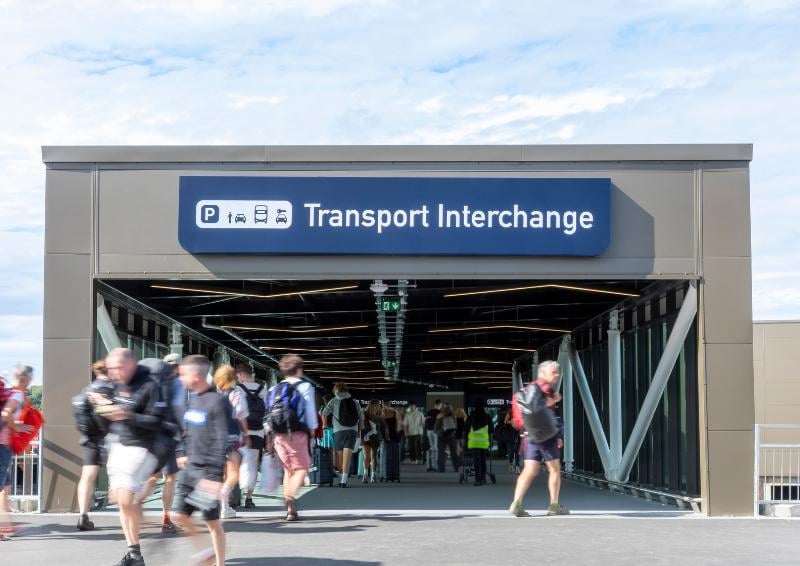
The project has reshaped how millions of passengers access the South West’s busiest international gateway. Delivered directly in front of the live airport terminal, the scheme created a new 16‑bay transport interchange, a 2,000‑space multi‑storey car park and major upgrades to the airport’s road network.
The project set out to solve long‑standing congestion, limited public transport capacity and accessibility challenges. Through innovative engineering, collaborative planning and a strong safety culture, the team delivered a future‑ready, multimodal hub that improves journey reliability, reduces carbon, and supports Bristol Airport’s growth to 12 million passengers per year.
Delivered ahead of schedule with strong sustainability measures, the project provides a modern, efficient transport hub for future growth.
Image credit: Griffiths
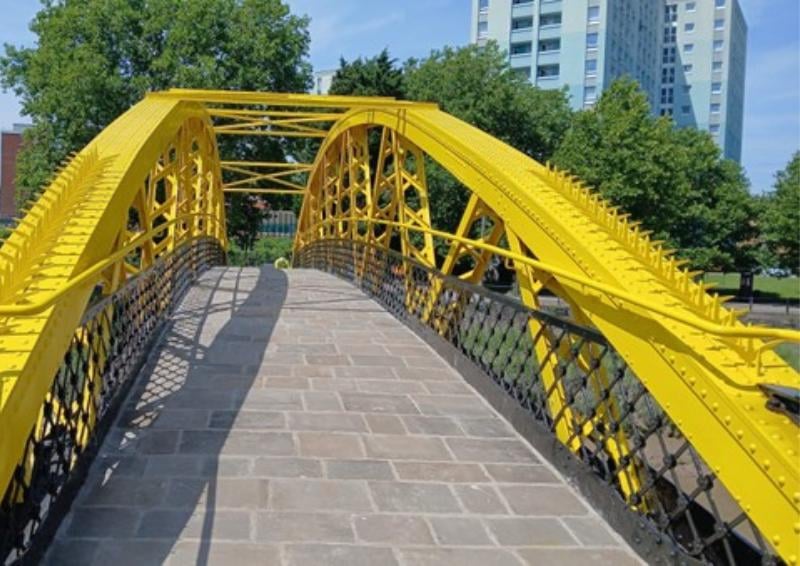
This package of works restored four historic bridges crossing Bristol’s New Cut of the River Avon: Vauxhall Bridge, Sparke Evans Park Bridge, Langton Street Bridge (known locally as Banana Bridge) and Redcliffe Bascule Bridge. Most of the structures are over 100 years old and Grade II listed, presenting complex challenges including hidden corrosion and structural weakness.
The project focused on making the bridges safe, functional and accessible while preserving their original character. This required a tailored approach for each structure, including specialist scaffolding, strengthening works and refurbishment of key components.
Close collaboration with the council and specialist contractors ensured the work balanced modern safety standards with the sensitive restoration of historic features. The result is a set of restored bridges that will continue to serve communities in Bristol as important transport links and cherished landmarks for many years to come.
Image credit: Griffiths
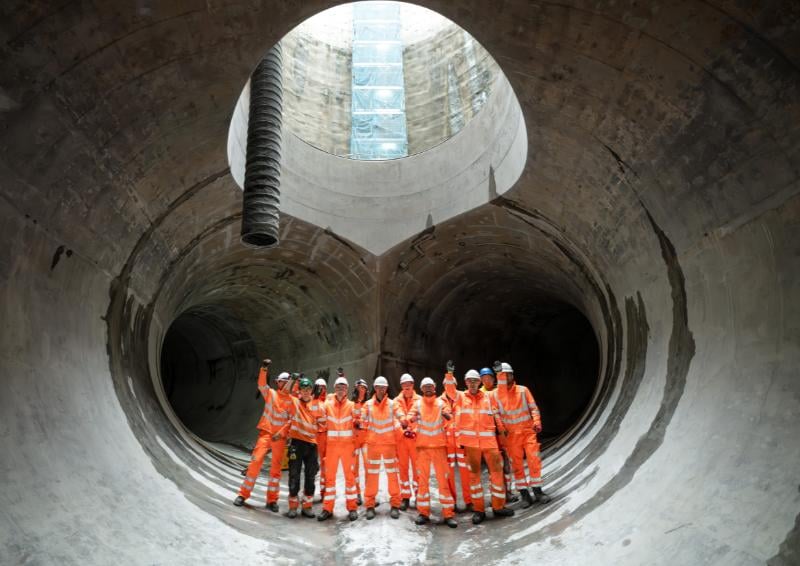
The project created a complex underground junction connecting three nuclear classified tunnels that form part of the cooling water system for Hinkley Point C nuclear power station in Somerset. Built 40m below ground, the Y-shaped structure links two tunnels into one larger tunnel leading to the sea.
The work required extremely precise planning due to strict nuclear construction safety standards and limited working space. Much of the structure was built off site and assembled underground, reducing time spent in confined spaces and improving both safety and quality.
Digital tools were used to rehearse and plan each stage, ensuring all elements fitted together accurately. Large volumes of concrete were carefully poured to complete the connection. The result is a critical piece of civil engineering, delivered safely and efficiently despite significant technical and logistical challenges.
Image credit: Balfour Beatty
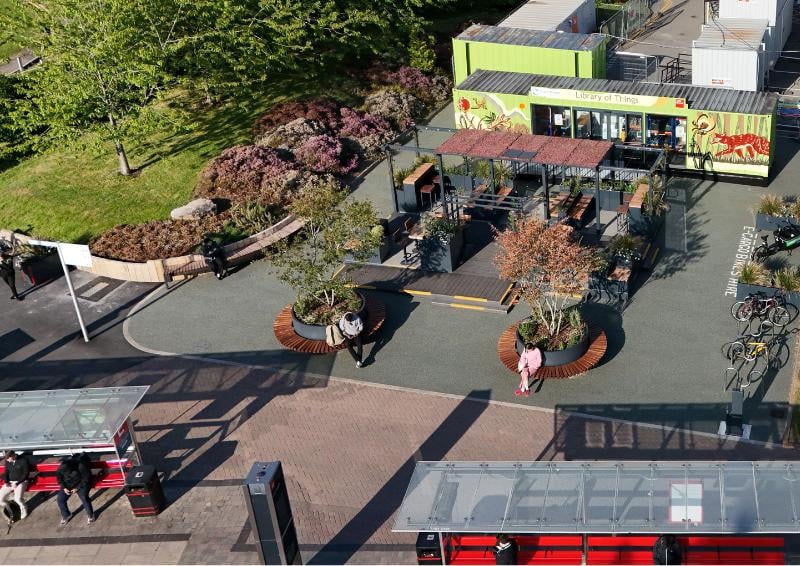
The West of England Combined Authority (WECA) set out to trial a network of 10 mobility hubs in Bristol’s Northern Arc, bringing together public and active transport and community facilities in a single, easy-to-use location. The aim is to help people make seamless journeys by combining walking, cycling, buses, trains and shared transport.
The hubs were supported by strong community engagement to ensure they meet local needs. Features include seating, clear information, and public realm improvements, with some also offering additional services such as parcel lockers.
Local residents and artists contributed to the design, including co-created artwork, helping the hubs feel part of the community. Seven hubs achieved the highest national accreditation standard.
The concept of mobility hubs is still relatively new in the UK, and the Bristol development shows the opportunity to improve access to sustainable travel, while creating attractive, welcoming spaces.
Image credit: WECA
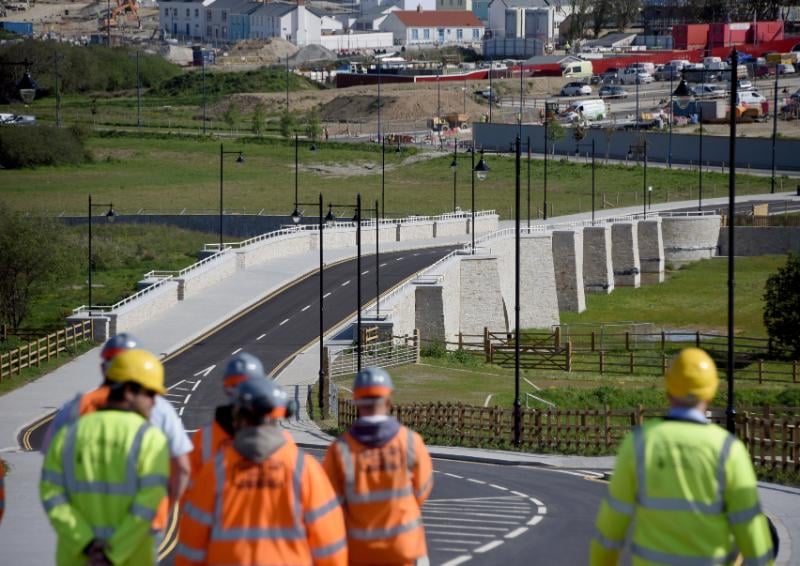
The scheme is a major transport project for Cornwall, providing a new north-south road link between the A392 at Hendra and Nansledan, the community developed by the Duchy of Cornwall and inspired by the vision of King Charles.
The route plays an important role in enabling housing, jobs and community infrastructure, including affordable homes and new facilities. It supports long-term plans for sustainable growth in the area and improves access to Newquay Airport.
Key features include a bridge over the railway, and a raised road structure designed to fit with the local landscape. Dedicated walking and cycling routes, drainage systems and landscaping promote safer travel and protect the environment.
Delivered through strong partnerships, the scheme provides lasting benefits for the local economy, connectivity and the quality of life in Newquay.
Image credit: Cormac Consultancy
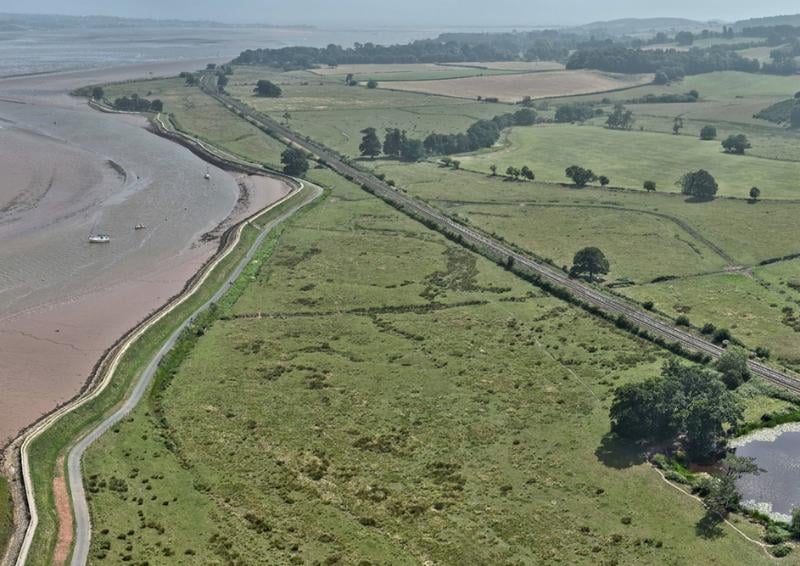
This project uses innovative technology to monitor a 1.6km stretch of 200-year-old flood embankment along the Exe Estuary in Devon. The embankment protects the London to Penzance mainline railway, an RSPB nature reserve and more than 100 homes but has become more difficult to manage due to changing weather patterns.
A system called PRIME was installed to monitor conditions within the embankment in near real time. By tracking moisture levels, the system can identify early signs of deterioration.
Previously, repairs were carried out only after failures, which was costly and disruptive, but the monitoring scheme represents a step change enabling earlier intervention, reducing long-term costs and environmental impact.
As the first commercial use of this technology in the UK, the project offers a more proactive, sustainable way to manage embankment defences and improve resilience.
Image credit: AtkinsRéalis
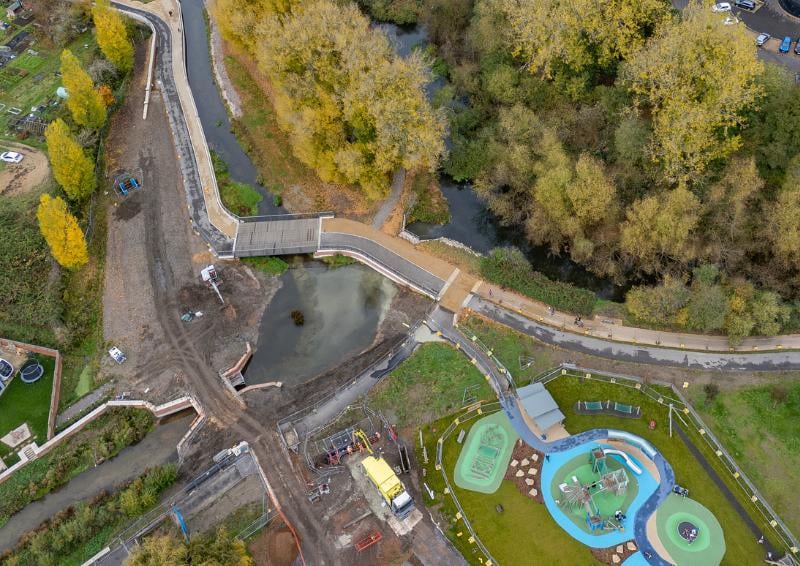
Developed after significant flooding in 2013-14, and as part of the response to the Novichok poisoning incident of 2018, the project aims to better protect the city from flooding while enhancing its connection to the river, heritage and nature.
The scheme restores natural river features, creates green spaces and improves access through new paths and landscaping. It also supports wildlife habitats and promotes biodiversity.
Community engagement has been central, with schools, artists and residents involved in activities, events and installations. A wellbeing programme helped strengthen community connections and environmental awareness.
As well as reducing flood risk, the project has revitalised the city centre and created a more attractive and sustainable environment. It also provides a model for future river-based regeneration and climate resilience projects.
Image credit: Environment Agency
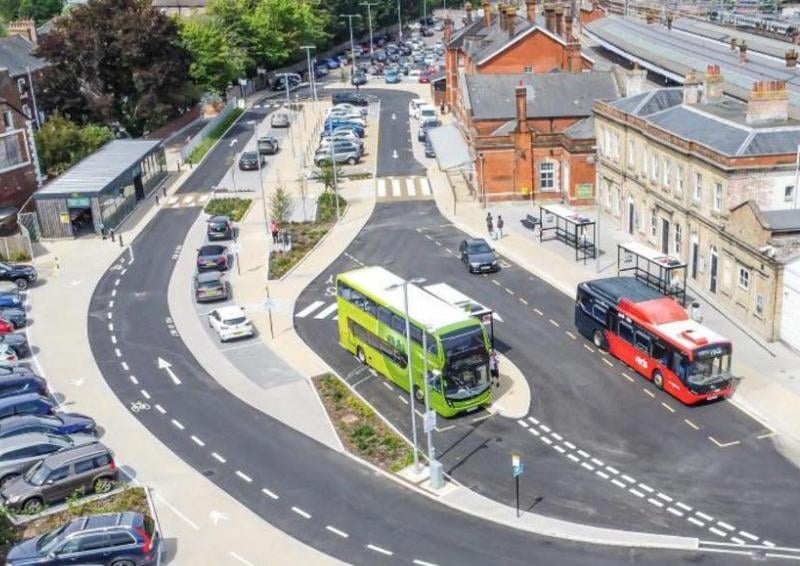
The project has transformed the forecourt at Salisbury train station from a confusing, vehicle-dominated space into a safe, welcoming and accessible gateway to the city.
The redesign prioritises pedestrians and sustainable travel, with new crossings, clearer routes and improved access for people with reduced mobility. Facilities for buses, taxis, cyclists and vehicles have all been upgraded to improve efficiency and user experience.
High-quality paving, lighting, landscaping and seating create a more attractive environment, while better organisation of traffic flows reduces congestion and improves safety. Connections between the station and city centre have also been enhanced.
Overall, the scheme creates a more intuitive, inclusive and pleasant arrival point for visitors and residents, delivering lasting social, economic and environmental benefits.
Image credit: Wiltshire Council
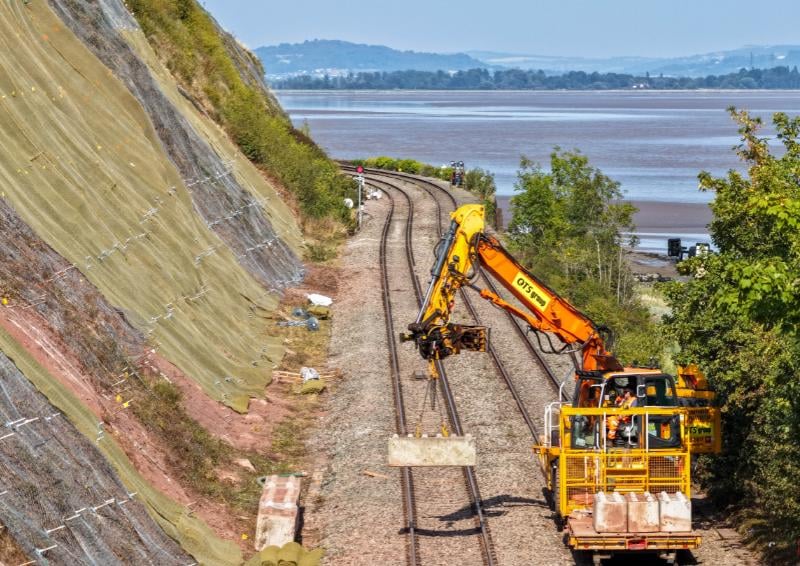
The Newport to Gloucester railway line is a vital corridor connecting South Wales and Gloucestershire to the Midlands. The route has suffered 155 landslip related incidents since 2020, causing emergency closures, speed restrictions and significant disruption.
The resilience project improves the reliability of the rail link with work focused on stabilising a vulnerable three-mile section along the Severn Estuary by reinforcing the slopes above the tracks. Protective mesh and anchors were installed to prevent rocks and soil from falling onto the railway.
The work was delivered efficiently during a planned closure, allowing large-scale activity to take place safely and minimise disruption. Thousands of square metres of slope were secured using specialist equipment and techniques.
These improvements significantly reduce the risk of future landslides, helping to ensure more reliable journeys for passengers and freight while supporting the long-term resilience of this important railway.
Image credit: Network Rail
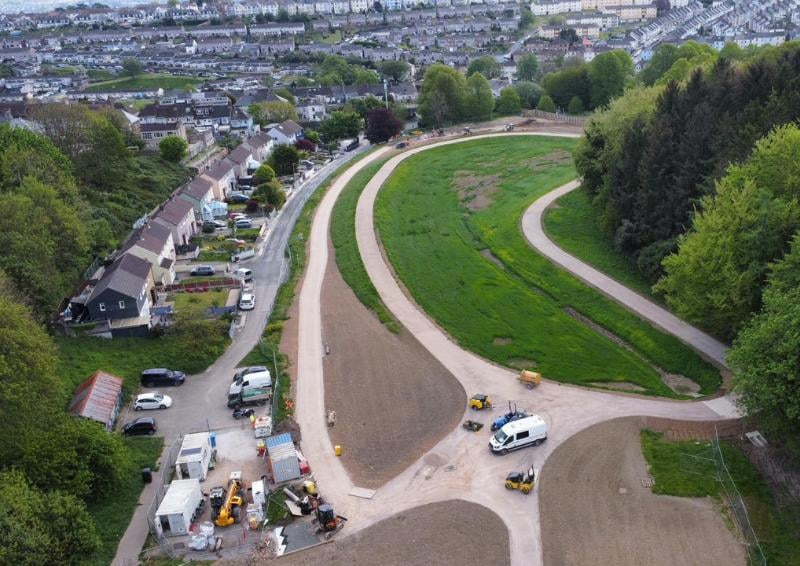
This project reduces flood risk in the Lipson Vale area of Plymouth by capturing and storing excess rainwater in specially designed basins within a local park. The downstream drainage system is now able to cope better, and additional capacity has been provided in the combined network to support future new development.
During heavy rainfall, water is temporarily stored and then slowly released once the drainage system has capacity. This helps prevent flooding of 147 homes as well as roads and businesses, particularly during high tides when drainage systems can struggle.
The scheme has been carefully designed so the park remains usable for most of the year, with accessible paths and landscaped areas. A new stream and pond provide habitats for wildlife, enhancing biodiversity.
The project was praised by the Considerate Contractor Scheme and brought over £600,000 into the local economy, along with £3.1 million in wider social benefits. Waste was handled responsibly, and some materials were reused to help the community.
Overall, the project successfully combines flood risk protection with improved public space and environmental benefits for the local community.
Image credit: Kier Group

Trainee civil engineer, Godsell Arnold Partnership
Florence is making a strong impact through her work and outreach. As an active member of the ICE Bournemouth and Poole City Club and as an ICE STEM Ambassador, she promotes engineering to students and the public, with a focus on improving representation of women in the industry.
At work, Florence produces practical, safe designs and supports colleagues and apprentices with clear guidance. She is known for her positive attitude, strong communication skills and commitment to improving both projects and team working.

Assistant engineer, AtkinsRéalis
Hannah is a final-year degree apprentice delivering strong project impact while championing the profession. She has helped develop solutions to reduce storm overflows and improve design quality, introducing tools and processes that have increased efficiency across her team. Hannah is also the South West winner of the Princess Royal Award for Emerging Engineers and an active contributor to ICE networks.
Alongside her technical work, Hannah promotes engineering through STEM outreach and mentoring, with a focus on inclusion and neurodiversity. Her academic success and commitment to improving flood preparedness highlight her drive to make a lasting difference.

Assistant engineer, Tony Gee and Partners
Toby specialises in geotechnics and has quickly grown into a confident and reliable engineer. He contributed to the Dawlish to Holcombe cliff resilience scheme, supporting modelling and design work on a high-profile coastal railway project, while helping improve team learning through sharing knowledge.
Alongside project work, Toby actively promotes engineering through school outreach and structured work experience programmes. His enthusiasm, professionalism and commitment to development make him a strong role model for future engineers.

Apprentice project engineer, Wiltshire Council
Tommy is already making a strong impact through his thoughtful and analytical approach. He has delivered project savings by reviewing construction methods and cost drivers, while also promoting safer, more inclusive design decisions that consider community needs.
Alongside his project work, Tommy volunteers with the ICE Swindon City Club, helping organise events and support early career engineers. He also engages in outreach and careers activities, championing apprenticeships and widening access to civil engineering through his enthusiasm and professionalism.

Graduate civil engineer, Cavendish Nuclear
Dan works in the nuclear sector, contributing to a world first programme to safely dismantle decommissioned submarines. He leads structural design work, ensuring solutions are practical, well reasoned and safe. His experience, including volunteering overseas, has shaped a people focused approach to engineering with strong professional judgement.
Alongside project work, Dan improves team processes and champions sustainability and inclusion. He leads internal initiatives, supports early career development and actively promotes a more inclusive and environmentally responsible engineering profession.

Civil engineer, AtkinsRéalis
Ella has shown strong technical and leadership growth across water and defence projects. She has developed practical tools to improve design efficiency and played a leading role in national work to cut carbon in flood infrastructure, helping deliver significant emissions savings while maintaining safety and performance.
Ella is also active with the ICE through events and mentorship and promotes engineering as an ICE STEM Ambassador. Passionate about inclusion and sustainability, she supports others’ development while championing more accessible and environmentally responsible engineering.

Assistant engineer, WSP
Joelle works on major National Highways schemes, where she supports programme management, risk assessment and project coordination. She has strengthened project governance and safety assurance, helping teams make informed decisions and deliver safer, more efficient outcomes.
Alongside her work, Joelle is chair of the ICE Bristol City Club, where she promotes professional engagement and inclusive participation. She also represents engineering through the Women in Transport group, raising awareness of the profession and encouraging broader, more diverse involvement.

Assistant civil engineer, AtkinsRéalis
Meher has quickly taken on leadership roles on complex water projects. On the Gooseum Rhyne Reservoir scheme, she led a multidisciplinary team and engaged closely with the local community, helping shape an innovative outcome that avoided construction, saving significant cost and carbon.
She also contributes to low carbon innovation through new materials and shares her learning across the industry. Alongside her technical work, Meher supports early career development and STEM outreach, inspiring others while promoting sustainable, thoughtful engineering solutions.

Graduate civil engineer, Stantec
Peter has made a strong impact across water and wastewater projects, combining technical skill with a holistic approach to design. He delivered an integrated layout at Salisbury Water Recycling Centre that was accepted first time, improving efficiency and reducing costs.
He is highly active with STEM outreach and inspiring young people through workshops and events. Peter also supports colleagues’ development, promoting sustainable, inclusive engineering and encouraging others into the profession.
The chair of judges oversees a rigorous judging process to ensure projects of the highest quality are recognised. Supported by a judging panel of influential industry experts, the chair leads site visits to all shortlisted schemes before the winners are decided.

Environment Agency
area director for the Wessex area
Ian is responsible for operational delivery across Somerset, Dorset and Wiltshire. He oversees the delivery of environmental regulation across a range of sectors including energy, water supply and wastewater treatment, waste management and agriculture. He also oversees the agency’s varied and challenging work on managing the risks of fluvial, coastal and groundwater flooding to communities across Wessex.
In a 30-year career in the environmental sector, Ian has worked in a range of leadership and delivery roles across England. After studying environmental science at university and then reading a master’s in water pollution control, Ian started his career in 1993 as a freshwater biologist at the National Rivers Authority in Kent. He later moved into water quality regulation in the South East of England.
In 2001 he moved to the East Midlands and undertook a number of leadership roles in the Environment Agency in subsequent years. After a spell working at the Environment Agency’s head office in Bristol in projects and human resources, Ian joined the Wessex area just in time to be involved in managing the response and recovery following serious floods during the winter of 2013/14, the legacy of which is still keenly felt across many communities in Wessex.
Since then Ian has managed the delivery of frontline regulation and enforcement in the waste and water sectors and was appointed as the Wessex area director in February 2024. This role has given Ian a welcome opportunity to learn about the management of the varied flood risk challenges in a geography with significant low-lying land, rapid response rivers and two dynamic coastlines.
Ian lives in Somerset, where he just about manages to find time for his family as well as his interests in fly fishing, wildlife, gardening, music and sport.

Ringway Infrastructure Services
work winning director
At Ringway, Abie leads the retention of key clients and the acquisition of new business by building strong, sustainable pipelines and aligning services closely with client needs. Through a focus on business excellence and innovation, she drives strategic initiatives that optimise contract performance and strengthen Ringway’s position as a trusted and preferred delivery partner.
As the current Chair of CECA South West, Abie is proud to represent civil engineering contractors across the region and looks forward to continuing this work into a second term. Despite a challenging year marked by an inconsistent pipeline for contractors, she remains committed to supporting members, advocating for the industry, and promoting a safer, more resilient and thriving sector.
Jacobs
design manager
Chris Parry is a chartered civil engineer with over 25 years’ experience specialising in ports and maritime infrastructure. Based in Bristol, he is a design manager at Jacobs and has led and reviewed major projects across the UK and internationally, spanning asset refurbishment, defence, energy transition and large terminal developments.
Chris brings strong expertise in design quality, safety, buildability and whole life performance, and is highly experienced in providing independent technical assurance and design review. He also plays an active role in advancing industry best practice through his involvement in the development and update of key UK maritime design standards.
Network Rail
regional head of resilience and sustainable growth
After gaining a master’s in meteorology, Julie embarked on her career by working at the Met Office’s Hadley Centre for Climate Prediction and Research, firstly in climate research, and later in climate impacts consultancy.
She then went on to work for Network Rail in operational weather resilience followed by a variety of project roles including as senior sponsor of the enhanced sea walls at Dawlish in Devon.
She now leads the climate resilience and sustainable growth team for Network Rail’s Wales & Western Region, aiming to deliver a simpler, better, greener railway fit for the future.

BEAM Architects
director
Keith Brownlie is an architect and director of specialist bridge design practice BEAM Architects, based in South West England. He became an ICE Fellow in 2026.
He has been engaged in infrastructure, transportation and bridge design for 30+ years and has an extensive international portfolio of well-known structures of all scales.
Recent award winning bridge projects include the Canadian CCE bridge of the year - Waaban Crossing in Kingston Ontario, the United States NSBA bridge of the year -Frederick Douglass Memorial Bridge in Washington DC, the IABSE international infrastructure project of the year- Shri Atal Bihari Vajpayee Trans Harbour Link (MHTL) in Mumbai India, and the IABSE international pedestrian and cycle bridge of the year - Bracklinn Falls Bridge in the Loch Lomond National Park in Scotland.

With a track record stretching back over 50 years, Griffiths is one of the leading civil engineering contractors working throughout the South West, Wales and the Midlands. They deliver projects of the highest quality in a healthy, safe, and sustainable manner to improve people’s everyday lives. As a regional company, Griffiths have an inherent interest in the social, economic, and environmental wellbeing of the region.

AECOM is the world’s trusted infrastructure consulting firm, partnering with clients to solve the world’s most complex challenges.

Arup is a world class firm of designers, planners, engineers, architects, consultants and technical specialists.

AtkinsRéalis is a world-leading professional services and project management company dedicated to engineering a better future for our planet and its people.

A leading international infrastructure group, driving the transformation of our industry to meet the challenges of the future.

Girling Jones are a specialist recruitment consultancy based in the South West for jobs in construction, construction consultancy and building maintenance.

Godsell Arnold Partnership is an award winning structural and civil engineering consultancy offering sustainable client-led solutions over a wide range of building sectors.

Stantec is a global leader in sustainable engineering, architecture and environmental consulting, innovating at the intersection of community, creativity and client relationships.

Taylor Woodrow has a strong regional presence across the UK, where local people bring local solutions across a range of infrastructure and civil engineering projects as part of long-term frameworks.

Consulting Engineers, Tony Gee is renowned for delivering complex, competitive permanent and temporary infrastructure design solutions.

Harnessing innovation and sharing insights across our diverse, international team to create a tomorrow’s world that's cleaner, greener and safer.
With local representation and multiple options from single award through to headline sponsor for all 12 regions, we have a sponsorship package tailored to you. Get in touch with the team today.

A303 Sparkford to Ilchester Dualling Scheme
This transformative scheme upgraded a 3.5-mile stretch of the A303 from single to dual carriageway, tackling a long-standing bottleneck on the strategic road network in Somerset.
Designed to improve safety, journey times and regional connectivity, the project included three new junctions, two major structures, and extensive earthworks to create a level, high-capacity route.
A key challenge—transporting materials across the live carriageway—was overcome by constructing a temporary haul road and bridge, minimising disruption and ensuring public safety.
The scheme now offers a more reliable route from the South East to the South West. For every £1 spent on the project, it’s expected to bring back over £3 in benefits. Reduced congestion, improved journey times and greater reliability will help attract more visitors and businesses to the region.
More than £64,000 from the scheme has been invested in local community initiatives, from sports facilities to school gardens with the aim of leaving a positive legacy.
The judges described this project as a truly deserving recipient of this award, representing the very best of infrastructure delivery in the South West.
The judges unanimously recognised its contribution not only to improved regional connectivity, but to the strengthening of the South West's position as a vibrant, accessible, and economically dynamic region.

Ashley Down Railway Station
Opened in September 2024, Ashley Down is only the second new railway station to open in Bristol in nearly a century. It forms part of the West of England Mayoral Combined Authority’s £350 million MetroWest programme, which is enhancing regional rail services and connectivity.
Delivered in Phase 2 of the programme, the £23 million station provides hourly services between Bristol Temple Meads and Filton Abbey Wood, with a journey time of just 10 minutes.
Fully accessible and designed with inclusivity at its core, Ashley Down offers convenient rail access for 35,000 adults within a 1km radius. The station helps tackle congestion along the A38 corridor, saving an estimated 7 million minutes in travel time each year.
It is expected to reduce car journeys by 5.5% and increase walking, cycling, and public transport use. The station supports economic growth, improves access to jobs, and strengthens links to key regeneration areas across the city.
The judges thought this project showcased a bold and innovative approach to transforming a challenging and busy transport route. They noted the commitment the project teams showed to community engagement as especially impressive, describing the project as engineering at its very best.

Bristol Temple Meads Eastern Entrance
The Bristol Temple Meads Eastern Entrance marks the first major investment in the station in over a century and the first completed milestone in the wider Bristol Temple Quarter regeneration.
Delivered in two phases, the project overcame complex engineering and heritage challenges to create a fully accessible gateway linking the station to the new University of Bristol campus and the growing Temple Quarter community.
A standout engineering achievement involved tunnelling through the station’s existing subway concrete and masonry using a robotic breaker. This was completed without incident despite happening in a live station environment with trains running overhead.
The design blends modern architecture with the station’s historic character, using sustainable construction methods, repurposed materials, and energy-efficient features such as solar panels.
Once fully operational, it is expected to serve 2.5 million passengers annually by 2030. As a catalyst for wider development, the entrance improves access to sustainable transport, supports economic growth, and strengthens connectivity between East Bristol, the city centre, and the national rail network.
The judges described this project as a shining example of how thoughtful infrastructure projects can transform public spaces and enhance communities.
The judges were particularly impressed with how the project teams balanced modernisation with heritage preservation and maintained full operation of the station with minimal disruption for passengers. They noted that this project sets a strong foundation for a thriving, inclusive urban future that reflects the city's character.

Dawlish to Holcombe Cliff Stabilisation
This ambitious scheme stabilised 1.2km of steep, geologically sensitive coastal cliffs above the main railway line between Dawlish and Holcombe in Devon, safeguarding a vital transport link.
The project involved dividing the cliffs into nine behavioural units and installing 6,200 soil nails—totalling 60km in length—along with 21,000m² of cliff netting. Working in a harsh marine environment, teams used rope-access drilling on near-vertical faces up to 40m high, with up to 18 cliff-mounted rigs operating simultaneously.
A key innovation was the development of a new combination bar solution, which reduced embodied carbon and saved over £7 million, allowing the full scope to be delivered despite inflationary pressures. Remarkably, the works were completed without disrupting rail services, even during one of the wettest winters on record.
The project has helped protect local homes, supported over 250 jobs, and included a skills development programme for local college students. It now provides a 100-year design life, ensuring long-term resilience for this iconic stretch of railway.
The judges thought this project offered a pioneering approach to resilience work that has the potential to influence similar projects across the country.
They felt this project embodied innovation, fresh thinking, and collaboration at its core while tackling complex challenges with agility, strong community engagement, and effective teamwork.

Gooseum Rhyne Reservoir
Originally planned as a complex two-year engineering scheme to meet statutory safety improvements, the project to improve the Gooseum Rhyne Reservoir on the Congresbury Yeo River in North Somerset took a bold and innovative turn. Faced with rising costs, community concern and environmental issues, the project team pursued a creative alternative: legally deregulating the reservoir by reducing its storage capacity. This approach removed the legal requirement for major construction, avoided community disruption, and delivered the scheme ahead of the 2026 deadline.
Through detailed flood modelling and collaborative working, the team demonstrated that the revised design not only maintained flood protection but improved the resilience of the remaining embankments.
The solution saved approximately £8 million, achieved a 98% reduction in capital carbon, and significantly reduced future maintenance needs.
As the first reservoir in the Wessex area to be decommissioned by the Environment Agency, the project sets a precedent for sustainable flood management and delivered lasting social value, including the preservation of a much-loved village green.
The judges thought this project demonstrated a level of public engagement with the local community, parish councillors, politicians, and the media that was beyond exemplary.
This engagement transformed an intitally resistent community into an engaged support base for the project. The judges felt this project was a stunning example of how engineering, simple and sensitively delivered, can enhance a community's sense of place and purpose.

Hengistbury Head Long Groyne Upgrade
The Hengistbury Head Long Groyne Upgrade delivered one of the UK’s most environmentally ambitious coastal protection schemes, combining innovative engineering with large-scale marine biodiversity enhancements.
Originally built in 1937, the groyne plays a vital role in stabilising the coastline of Poole and Christchurch Bays and protecting Hengistbury Head—a historic site of international importance. Popular for leisure and tourism, the area features a mosaic of protected habitats including saltmarsh, heathland and sand dunes, supporting over 500 plant species and 300 bird species.
With the original structure no longer fit to withstand rising sea levels and storm events, the upgrade reused existing materials and introduced nature-positive features to support marine life.
The scheme protected over 6,000 properties, reduced potential economic damage and was completed three weeks early and 6% under budget. Extensive public and media engagement and social value initiatives further enhanced its legacy. The project is now being monitored for long-term ecological impact, setting a new benchmark for sustainable, community-focused coastal defence.
The judges noted on their visit to this project the extensive challenges posed to the team by the nature of the project and its surroundings. The already complex task of rebuilding a 20th century groyne was compounded by the natural and historical significance of the surrounding area.
By working closely with stakeholders, community groups, and specialist ecological and archaeological agencies, the team ensured delivery of a project that provided access across the headland while providing innovative engineering solutions for marine life.

Lyneham Banks
The Lyneham Banks project tackled a dramatic road failure, where a major landslip displaced the B4069 by 25 metres, cutting off a vital route through North Wiltshire.
Dubbed “the UK’s wonkiest road", the highway was closed for three years, forcing over 5,500 daily vehicle movements onto unsuitable local roads.
The project team designed and delivered a new piled retaining wall, stabilised the slope, and introduced improved drainage to ensure long-term resilience and safety.
Working in a geotechnically unstable and contaminated environment, the team used drone photogrammetry, real-time monitoring, and sustainable materials to reduce carbon emissions and enhance climate resilience. Long-term sensors were installed to monitor future ground movement.
Community engagement was central, generating £1.44 million in social value and restoring a critical connection for residents, businesses, and emergency services. Lyneham Banks is now safer, stronger, and built to last.
The judges were impressed by this scheme's adaptability, technical precision, and community focus. The team's balance of adaptability, proactivity, and compassion with local residents stood out with their swift responses to community concerns and regular updates throughout the project. Delivering exceptional social value relative to the scheme’s size, the team exemplified collaboration, care, and commitment in bringing the project to successful completion.

Sweet Violets Bridge and link road
Described locally as the “missing link”, Sweet Violets Bridge and the new link road in Dawlish, Devon have transformed local connectivity and unlocked vital housing development.
Delivered through a strong local collaboration, the scheme includes a 26-metre span highway bridge, new carriageway, foot and cycle paths, and sustainable drainage features. The bridge name was chosen by Dawlish Town Council to commemorate the historic cultivation of violets in the local area.
The project provides direct access to over 400 new homes and diverts construction traffic away from school routes, improving safety and reducing congestion. It overcame significant challenges, including poor ground conditions and pressurised groundwater, resolved through an innovative soil mixing solution.
Designed with ecological enhancements and landscaped to blend into its surroundings, the scheme supports future growth and resilience. It delivers lasting social, environmental and economic benefits for the community.
The judges thought this project displayed exceptional balance of technical excellence, community engagement, and historical sensitivity. The name of the project honours the local history of commercial violet growing, and the bridge itself blends with the landscape while displaying decorative features made with locally matched materials.
The project team collaborated closely with developers, local councils and communities to deliver a project that was on time, under budget, and will support housing growth in the local area while reducing congestion.

Truro Tidal Gates
Started in 2023, the scheme aimed to install new tidal gates in Truro, Cornwall to help protect 185 homes and businesses from flooding for the next 30 years.
The project took place at a key spot on the Truro River and was carefully timed to avoid high tides, keeping everything safe and running smoothly. Impressively, the team completed over 16,000 hours of work without any serious incidents.
The team devised an innovative jetring mixer to disperse the silt. This not only made the gates work better but also saved around £285,000 over 15 years.
Good communication played a big role in the project’s success. The team worked closely with local residents, businesses, and the Harbour Master from the start.
The project was praised by the Considerate Contractor Scheme and brought over £600,000 into the local economy, along with £3.1 million in wider social benefits. Waste was handled responsibly, and some materials were reused to help the community.
The new gates now provide long-term flood protection for Truro, with minimal impact on the environment, helping to keep the city safe for years to come.
The Truro Tidal Gates scheme will protect the city from flooding for the next 30-years. The judges wanted to give special recognition to the way the team had delivered this innovative scheme in a sensitive environment as it sets the new standard for future tidal flood protection schemes in the region.

Erin Baker, Stantec
Erin is a passionate advocate for inclusion. She proudly represents dyslexia in the civil engineering community and demonstrate that it is possible to achieve great things despite challenges. Erin volunteers as a scout leader and actively promotes engineering to young people, helping shape a more diverse and sustainable future for the profession.
Since 2023, she has contributed to sustainable transport and climate resilience projects, including the A4 Corridor and North Somerset Bus Service Improvement Plan. Erin also developed a geotextiles sustainability pack for Stantec’s Carbon Working Group and played a key role in the Bath to Bristol Strategic Corridor project.
The judges identified that Erin's pride and passion for her work made her stand out in this category. When combined with her thirst for knowledge and a natural inquisitiveness, she has already taken great strides in her first few years in civil engineering, creating opportunities to apply her technical knowledge to active travel projects, even going as far as to challenge more senior colleagues to make sure the solution is the right one for everyone.

Benedict Olori, Kier BAM JV
Benedict works at Hinkley Point C, where he’s made a measurable impact through technical innovation and inclusive leadership. He developed an automated Excel script that streamlines setting-out data for Autodesk applications, significantly improving efficiency and accuracy on site.
A proactive mentor and advocate, Benedict supports junior colleagues, champions diversity through Kier’s inclusion networks, and promotes civil engineering in community outreach.
His integrity, professionalism, and drive to improve both project delivery and workplace culture make him an exceptional early career engineer and a powerful ambassador for the profession.
The judges identified that Ben lives his professional ethos of changing people's lives through civil engineering. Ben has taken a great effort to share his knowledge from working on Hinkley Point C with other engineers and building a community that shares their experience for the benefit of others. The judges made clear that they had no hesitation in putting him forward for this award.
Phillip Turnbull, Lopwell Eel Screening
As fisheries lead advisor for South West Water, Phillip brought empathy, care, and a deep respect for the local area to the Lopwell Eel Screening project.
He helped deliver vital environmental upgrades without harming the site's natural beauty.
His thoughtful conversations with the landowner and sensitive design changes helped move the project forward under tight deadlines.
The judges were impressed with Phillip’s quiet leadership and genuine commitment to doing the right thing.
They felt he was a truly deserving winner of the inaugural Unsung Hero Award.

Civil engineer apprentice, Cormac
Described by her nominator as a focused and insightful problem-solver, Christine is a final-year civil engineering degree apprentice, studying at the University of Exeter.
At Cormac, she has delivered innovative infrastructure solutions, including the installation of active travel routes that provide sustainable access to new developments.
She’s also championed inclusive team practices and upheld high professional standards under pressure. Alongside her studies and work, Christine has balanced the demands of a young family, demonstrating exceptional dedication and resilience.
As a Project 50 Apprenticeship Ambassador, she supports others on their apprenticeship journeys, driven by a passion for sustainable development and making a lasting impact through civil engineering.
Highly commended in the Apprentice of the Year category, Christine has demonstrated that most important engineering instinct to identify a common problem and find a solution. Her work on improving gully cover design could ultimately influence highways across the UK, showing how taking responsibility can lead to real change.

Structural engineer, Arup
Beth has made a national impact early in her career through her leadership on the Department for Education’s RAAC response programme. She developed digital tools and reporting systems that enabled real-time data sharing with government, while co-authoring best practice guidance during a period of intense public scrutiny.
Beth champions inclusive engineering, co-leading mental health initiatives and mentoring junior colleagues. A dedicated STEM ambassador and tutor, she inspires future engineers through outreach and work experience.
Her calm professionalism, innovation, and social awareness mark her as a standout early career engineer.
The judges described Beth as a great example of someone who steps up when things get tough. Her work at Arup with the Department for Education to identify and assess the presence of RAAC across UK schools required high levels of coordination between regions.
Beth helped put the team together, managing a highly publicised risk. Her technical expertise and willingness to engage with the project made her stand out to the judges as worthy of highly commended in the Graduate of the Year category.
This award celebrates exceptional volunteers for their commitment to inspiring the next generation of civil engineers.
You can nominate yourself or recommend other outstanding STEM individuals. Entry is free and open to all registered ICE STEM Ambassadors who are living, working or studying in the South West.
Entries for 2027 will be opening early in the New Year. To find out more or register your interest, please email: [email protected]

The project spans 17km along the Severn Estuary from Aust in South Gloucestershire to Shirehampton in Bristol. The area is at risk of tidal flooding, which will increase with sea level rise.
The new works include 5850m of raised earth embankments, 2500m of sheet piled walls, 600m of in situ reinforced concrete walls, 2300m of precast reinforced concrete walls and eight improved outfalls along the estuary.
Over 80 hectares of new wetland has been created, equivalent of 112 football pitches. This new habitat provides ecological mitigation to ensure that economic development does not adversely affect the area’s internationally important wildlife species.
Over 2,500 homes and businesses will benefit from this project, mitigating the impact of sea level rise for at least the next 60 years. By enabling new commercial development, the scheme will unlock 12,000 new jobs and deliver an estimated £3.9bn of economic benefits in the local area.

The community and ecosystem of the Lower Otter Estuary in East Devon faced growing challenges due to sea level rise and extreme storms, driven by climate change. Human modification of the estuary had disrupted nature and created an unsustainable system that was unable to adapt.
Working with local people and partners, the project reinstated natural processes, including reconnecting the river, estuary and floodplain, and delivering a more sustainable landscape, rich in wildlife. Infrastructure such as roads, footpaths, water company assets and cricket facilities, were relocated out of the flood plain or adapted.
The project has created 55 hectares of internationally important saltmarsh and mudflat habitat by reconnecting the river to its historic floodplain, benefitting wildlife and the local community.
Just months after opening, the site has been designated as a National Nature Reserve.

Portway is the first new train station in Bristol for 96 years. It aims to support growth for Bristol and the wider region by improving access to Avonmouth and Temple Quarter Enterprise Zones, where 31,000 jobs are expected to be created in the coming years.
The project is a trailblazer in rail construction using innovative design and delivery methodology. Use of a trackside crane from the adjacent car park meant precast concrete units were each lifted into position in under 5 minutes, allowing for efficiency and reduced disruption.
Many materials were procured locally, and by-products were reused in and around the station footprint. Biodiversity was a key consideration with bat boxes to encourage wildlife and investment in the latest station lighting that automatically dims out of hours.
The new station offers an additional transport option for 9,000 people working in the surrounding area. Free parking, low-cost fares and frequent direct services to Bristol city centre make it an attractive option for commuters and families. More than 33,000 journeys have been made from the station since opening, meaning fewer cars and lower carbon.

Abandoned railway lines dating back to Cornwall’s mining past are being transformed into a network of paths, linking the coastline with Truro, for walkers, horse riders and cyclists.
The project used eco-friendly materials and landscaping techniques to reduce environmental impacts and enhance biodiversity, including 2km of 'no dig' construction, from Cocks Village to Goonhavern, to preserve the historic rail ballast, minimising ecosystem disruption. The scheme also included two new bridges.
The Saints Trails network is one of the largest ever cycling infrastructure investments in the South West. It preserves Cornish heritage, boosts local economies, attracts tourists, and provides new business opportunities.
Locals and visitors can enjoy the benefits of safer travel across a beautiful part of Cornwall, which includes the former Perranporth to Chacewater railway line.

Saltford Water Recycling Centre treats sewage and wastewater from Bath. The site has been earmarked for expansion to meet the needs of future population growth. But to enable this development, a new access road was required to take construction traffic.
The new access route passes through greenbelt land, home to a number of protected species and located within a flood zone. A key aim of the project was to minimise the impact to this sensitive environment.
Centred around three new ponds, the scheme provides new habitat for amphibians, invertebrates, mammals and wetland birds, resulting in more than 55% biodiversity net gain.
The road scheme includes a single span bridge over the River Avon for lorries as well as a pedestrian crossing to connect local communities. The new road will reduce traffic flows through the nearby village of Saltford, reducing congestion while improving access to the water recycling centre.

Perennial flooding has affected Par and St Blazey in Cornwall for many years, including particularly significant flood events in 2010 and 2012. As part of a catchment-based response, the project aims to improve resilience and flood protection for the area.
Interventions included a mix of nature-based solutions, such as attenuation ponds, a retrofitted rain garden and a land management plan, alongside more traditional measures, including raising flood defences and installing storage tanks underneath a car park.
The project has delivered flood protection to more than 600 homes, safeguarding around 900 jobs for the next 25 years. Additionally, amenity access and recreational facilities has been improved for the local community, including opening up St Andrew’s Wetland Reserve to the public.
Environmental enhancements and biodiversity measures included insect-friendly grass seed mixes and Salix coir rolls producing instant results on riverbank reinstatements. Thirty species-specific bird boxes were installed, and cycle racks and benches were made from felled trees.

Winner of the Over £10m New Build Award
Brunel’s iconic railway along the coast at Dawlish serves communities in Devon and Cornwall but the line is vulnerable to the impacts of climate change, including rockfall onto the line.
As part of Network Rail’s South West Rail Resilience Programme, the project involved building a 110m-long protective shelter. Using innovative techniques and a travelling gantry-crane system, precast components were constructed on a site constrained by the sea, a tunnel and steep cliffs.
The structure has been designed to withstand a five-tonne boulder falling 30m from the adjacent cliff face, which is the equivalent to the weight of an adult Asian elephant. The shelter will protect a crucial rail link connecting more than 50 towns and cities in the region for generations to come.
As well as implementing carbon reduction assessment measures, the scheme achieved a biodiversity net-gain target of over 10%, including vegetation to encourage the natural habitat of the rare Cirl Bunting.

Highly commended - Under £10m Re-engineered Award
Lydney Harbour in Gloucestershire is more than 200 years old and scheduled as an ancient monument. In 2015, the outer sea gates failed in the open position, making the harbour unnavigable.
The project involved a complex operation to remove 6m of silt within a very short timescale, while protecting sensitive local habitats and endangered species within the Bristol Channel estuary.
The site has now been restored to its former use as a safe and navigable harbour, enjoyed by thousands of people throughout the years.
Lydney Harbour is loved by the local community and the project had to deliver a solution that was good value for money despite a wide range of constraints.

Ella Blakeley
Ella Blakeley, section engineer with Balfour Beatty, is the 2024 winner of the award, sponsored by Tony Gee and Partners.
Ella, who works at Hinkley Point C, impressed the judges with her significant commitment to raising the profile of apprenticeships.
She has championed early career civil engineers and brought together a network of 250 young people to collaborate on equality diversity and learning.
Ella has given so much back to the profession while working on highly complex, demanding schemes, alongside completing her EngTech assessment.

Chloe Taylor
Civil engineer at Arup, Chloe Taylor, took top honours at the 2024 awards ceremony.
The prize, sponsored by WSP, celebrates the achievements of graduate members in the South West region.
The judges recognised Chloe's passion for digital technologies and how she is using her significant skills in the field to improve effectiveness and streamline workflow.
They praised her contribution to her team and efforts to promote the profession.