





ICE Benevolent Fund
The ICE Benevolent Fund has a range of services to support ICE members and their families with the pressures of everyday life. It also helps members reach their potential in their personal development.

Free
Book nowFree
Book nowBetween three and five percent of the world’s population is thought to have ADHD. With each case presenting uniquely, it can be hard to identify whether you, or a member of your family might have ADHD. It can be even harder to work out what support might be available and how to access it.
About this event
During this webinar, delegates will explore:
For further information, please contact the ICE Benevolent Fund at [email protected] or call 01444 417 979.
More topics can be found here.
Visit the webinar archive at your leisure.
The ICE Benevolent Fund has a range of services to support ICE members and their families with the pressures of everyday life. It also helps members reach their potential in their personal development.
Introduction from Sarah Mason-Parker, marketing manager and caseworker, ICE Ben Fund
Presentation from Colin Foley, chief executive officer, neurodiversity training UK
Q&A, Colin Foley, facilitated by Sarah Mason-Parker, ICE Ben Fund

ICE Benevolent Fund
marketing manager and caseworker
Sarah has been working for the ICE Benevolent Fund since 2018. She is passionate about the Ben Fund’s mission to support ICE members and their families wherever they are in the world.
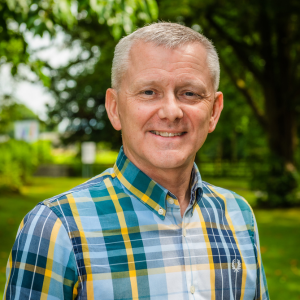
Neurodiversity Training UK
Chief Executive Officer
Colin Foley is the CEO of Neurodiversity Training UK.
Neurodiversity Training UK aims to provide practical, engaging and evidence-based training opportunities for professionals on supporting neurodivergent children and young people in education or colleagues in the workplace.
Before this, Colin had a successful twenty-five-year teaching career, including ten years in school leadership and led the Training team at the ADHD Foundation for ten years to be become the largest provider of training for professionals on ADHD in the UK.
Our training sessions are rooted in taking a strength-based approach to neurodiversity- understanding the conditions, how they can overlap, the impact of neurodiversity on people’s lived experience as well as empowering educators, employers, line managers, service providers, families and neurodiverse people with evidence based strategies for living well and being successful in education and in the workplace.
ICE Benevolent Fund Team

Scrolling, swiping, stressing. Social media shapes how we think – but we can take back control and find balance.

Everyone has a personal brand – but is yours helping or hindering you?

Slow is smooth. Smooth is fast. Let’s rethink productivity.